.png)
Search Results
Search this site
145 results found with an empty search
- The Child Soldiers of Ethnic Studies | PeerK12
June 24, 2024 The Child Soldiers of Ethnic Studies Neetu Arnold How American students are radicalized against the West Originally Posted In: https://www.tabletmag.com/sections/news/articles/child-soldiers-ethnic-studies < Back Shortly after the start of the organized pro-Palestinian student riots on campuses across the country last fall, the Rutgers University chapter of Students for Justice in Palestine (SJP) issued a set of demands that followed a standard template now evident at multiple universities. In addition to divestment from Israel, incorporating “anti-Palestinian racism“ into all mandatory DEI training and race-based curricula for faculty and staff, and the creation of an Arab Cultural Center, the students demanded that Rutgers “hire additional professors specializing in Palestine and settler-colonial studies and institute a department of Middle East studies.” Since then, Rutgers and other universities have caved to the demands of the mob. Middle East and Islamic studies centers became avenues for foreign governments to purchase influence and prestige a long time ago. But today, these centers play a much broader role in national politics, law, scholarship, and culture. And the drivers are no longer just foreign political actors, but increasingly domestic ones, too. In this context, student activists’ apparently spontaneous demands to establish more Middle East studies departments, to hire more Palestinian and Middle East faculty, and to integrate Palestine into DEI and ethnic and race-based curricula should be viewed instead as the intentional expansion and consolidation of leftist institutional power. This has meant the creation of jobs and patronage for a new phalanx of progressive sectarian foot soldiers under the umbrella of ethnic studies. Many of these programs aim to create a reserve of activists who cover a wide array of ethnic and identity grievances and causes that extend beyond the halls of academia, with recruitment beginning in grade school. From a young age, an increasing number of American students are being fed anti-Western and anti-Israel material funded and distributed by a constellation of dark money, left-wing groups and foreign governments. Worse, their success to date can largely be attributed to backing, financial and otherwise, from our own federal government. The nuclei of Middle East education at American universities are the Middle East and Islamic studies centers. There are around 50 such centers distributed across the country, depending on how you count them. Columbia University alone hosts three: the Center for Palestine Studies, the Middle East Institute, and the Sakip Sabanci Center for Turkish Studies. These centers are no strangers to controversy. For at least two decades, scholars and policymakers alike have decried the centers’ whitewashing of Islamic extremism and anti-Israel bias. Yet the centers have remained mostly untouched, and a few new ones have even appeared. Throughout their history, these centers have taken money from both the federal government and foreign governments. For instance, archived documents retrieved by the National Association of Scholars show that Georgetown’s Center for Contemporary Arab Studies (CCAS) relied heavily on foreign countries in its early days during the 1970s. Arab countries contributed two-thirds of the funding needed to help Georgetown leaders reach their $6.1 million fundraising goal for CCAS. During this same time, the foreign governments of Oman, Libya, and the United Arab Emirates (UAE) contributed more than $1 million for various professorships at CCAS. Today, the center is one of about a dozen Middle East National Resource Centers (NRC) that receive more than $3 million in funding from the federal government. Harvard University’s Center for Middle East Studies started in the 1950s with funding from the Ford and Rockefeller foundations and then-American-owned oil company Aramco. Soon thereafter, it received funding from the federal government as an early NRC. Beginning in the 1980s, the center helped secure tens of millions of dollars in funds primarily from Turkey and Saudi Arabia both for its own faculty and for affiliated programs at Harvard. The original purpose for the centers, established in the 1950s, was to produce policy-relevant information that the government could use to develop sound Middle East foreign policy. Relatively little expertise on the region existed in the United States at the time, which made getting up to speed a national security priority. But it’s hard to see that purpose in what passes through the centers and their affiliated faculty today. Today, the old foundations have combined with new ones to push for more ideological education on the Middle East not only on college campuses, but also in K-12 education. While it’s easy to dismiss the centers as too niche or academic to have any real influence, this would be a mistake. For one, these centers have long produced area experts that populate U.S. government agencies and the foreign service. The degeneration of the education provided by these programs into its current activist form tracks with the increasing activism of government bureaucrats, such as the political appointees and staff members of several government agencies who signed a letter objecting to the administration’s Israel policy, and the various State Department officials who have resigned in protest. But the toxic influence extends beyond government bureaucracy. Federally funded Middle East centers produced more than 2,500 instructional materials between 2000 and 2020, of which over 60% were intended for use by K-12 educators. Content matter ranged from climate justice to Islamophobia to youth activism. These centers also conducted over 22,000 outreach programs throughout the same time period, of which over 20% were intended for K-12 educators. Both the instructional materials and outreach programs are part of the centers’ mandate from the federal government, so our taxpayer dollars directly fund these programs. The University of Texas at Austin’s Center for Middle East Studies, along with other NRCs at the school, used federal funds in 2021 to host a critical race literacy workshop, where K-12 teachers “(Un)learn[ed] patterns of whiteness in literacy teaching.” The university claims on its website that the event supported “instructional goals for literacy standards for the State of Texas.” Or consider a toolkit on “Women and Gender in the Middle East” produced by the University of North Carolina at Chapel Hill’s Center for Middle East and Islamic Studies. Their set of readings directs students to a YouTube video of an overview of Edward Said’s Orientalism, produced by a channel called “Invictapalestina.” For those students who prefer a book, the toolkit points them to an anthology of Arab feminist writing, including by Columbia University professor Lila Abu-Lughod, who, ironically, in the past has criticized the “focus on gender-based violence” in Arab and Islamic countries as it “leave[s] aside the violence of states … like Israel.” Middle East faculty at top universities train the next generation of anti-Israel and anti-American activists by training K-12 teachers. For instance, New York University’s Hagop Kevorkian Center for Near Eastern Studies partners with Jordan-based nonprofit Global Nomads Group to host an annual fellowship program for grades 7-12 teachers. During the fellowship, teachers create curricula to teach students about the Middle East. New Utrecht High School teacher Nathan Floro’s curriculum, to take one example, would ensure students have a “basic understanding of orientalism and be able to critique various media through a post-colonial lens.” NYU also funded Newton Public Schools teacher David Bedar, whose fellowship at NYU focused on redeveloping college-level content for high school students on the Israeli-Palestinian conflict. The Committee for Accuracy in Middle East Reporting and Analysis (CAMERA), throughout 2018 and 2019, acquired Bedar’s curriculum materials and found in a detailed analysis that the course favored the Palestinian over the Zionist narrative of the conflict by distorting and omitting facts. Global Nomads Group offers its own series of “youth courses” promoting similar messages. In a lesson plan within their “Human Rights” course, Global Nomads claims students will learn the difference between equity and equality and why “marginalized people are denied human rights.” They also offer courses on “Art in Action,” “Ocean Health,” and in a twist of irony, “Overcoming Bias.” On its website, Global Nomads discloses that its Student to World program “is supported by the Stevens Initiative, which is sponsored by the U.S. Department of State, with funding provided by the U.S. Government, and is administered by the Aspen Institute. The Stevens Initiative is also supported by the Bezos Family Foundation and the governments of Morocco and the United Arab Emirates.” Other donors listed on the group’s website include Qatar Foundation International. In 2021, Yale University’s Council on Middle East Studies hosted a summer conference for New Haven Public Schools teachers where they received free access to films featuring former Women’s March co-chair and antisemitic activist Linda Sarsour, and a list of books, many of which advocate for looser immigration policies. The event primarily featured Palestinian and other Arab speakers and panelists. The one session that featured an official from the American Jewish Committee consisted of a discussion about centering the Mizrahi and Sephardic Jewish experience—in other words, challenging what the Columbia School of Social Work orientation guidebook calls “Ashkenormativity.” Foreign governments also support these programs, whether directly or indirectly by funding the Middle East centers themselves. Some centers, such as the Saudi-funded King Fahd Center at the University of Arkansas, were started with funding from foreign governments. Others have received periodic funding from foreign governments, such as the United Arab Emirate’s funding to UCLA’s Center for Near Eastern Studies. Still others work in partnership with foreign governments to host teacher workshops. Qatar Foundation International (QFI), the American arm of the Qatar Foundation, is a common collaborator for these programs. QFI funds professional development workshops for Arabic language teachers through Arabic Teacher Councils. The councils are hosted by schools such as George Washington University, Georgia State University, and the University of Chicago. In their early days in the 1950s and 1960s, Middle East studies centers were beneficiaries of funding by large private foundations, such as the Rockefeller Foundation, the Carnegie Corporation, and the Ford Foundation, which, in turn, enjoyed close relationships with the government. Today, the old foundations have combined with new ones to push for more ideological education on the Middle East not only on college campuses, but also in K-12 education. Left-wing organizations such as the Open Society Foundations and the Tides Foundation actively fund efforts to bring K-12 education in line with progressive dogma and socialize American kids into its politics. This same network of organizations funds many of the pro-Palestinian student demonstrators who have taken over elite campuses. George Soros’ Open Society Foundations, Rockefeller Brothers Fund, the Westchester People’s Action Coalition (WESPAC), and the Tides Foundation are just a handful of the organizations that have financially supported the student protests. For instance, the U.S. Campaign for Palestinian Rights has received at least $355,000 from Rockefeller Brothers Fund and $300,000 from Open Society Foundations, according to The New York Post. U.S. Campaign for Palestinian Rights member Middle East Children’s Alliance (MECA) hosts a project called “Teach Palestine,” where educators disseminate instructional materials and teaching strategies on the Middle East. Teach Palestine is coordinated by two educators affiliated with the Liberated Ethnic Studies initiatives nationally and in California. Between 2017 and 2023, the Open Society Foundations and Rockefeller Brothers Fund cumulatively gave MECA $1.3 million. Teach Palestine includes testimonials from educators who actively teach about the region in their classrooms. Once students arrive on campus and are exposed to the Israeli-Palestinian conflict in further detail, little is needed to radicalize them. One teacher goes beyond the third grade curriculum standards by fitting “lessons about the Middle East into the nooks and crannies of our day.” Her description of Israeli history is that it is a “European colony” for the Jewish people that has been continually committing ethnic cleansing since its founding. A librarian brought MECA members to teach children about the “similarities between Israeli and US settler colonialism.” A sixth grade teacher had her students write acrostic poems on settler colonialism as part of a curriculum that focused on “centering Palestinian youth voices” and connected the Palestinian youth experience to Black Lives Matter. She proudly states that “some strong activism and advocacy could come” if students were pushed to the “next level” when engaging in her lesson activities. The Proteus Fund, which connects “philanthropy with the frontlines of social justice,” is another key player. Since 2016, the Proteus Fund and its lobbying arm Proteus Action League have received $16 million from the Open Society Foundations. Aside from Open Society Foundations, Proteus lists nearly 40 funding partners, which includes the Tides Foundation and Rockefeller Brothers Fund. One of Proteus’ recent initiatives, the RISE Together Fund, claims to oppose intolerance against “Black, African, Arab, Middle Eastern, Muslim, and South Asian (BAMEMSA) communities.” As part of this initiative, they offer organizations immediate and flexible grants through its Rapid Response Fund. Since Oct. 7, Proteus has focused on K-12 advocacy, coordinating legal support, and connecting attorneys with those who have lost educational opportunities due to protests. In the latter half of 2023, Proteus gave a cumulative $700,000 to 35 organizations for flexible spending grants. The beneficiaries of these recent grants include pro-BDS organizations such as the Arab Resource and Organizing Center, Adalah Justice Project, and the Palestinian Youth Movement. Some of these organizations have been tied to the recent wave of demonstrations among high school students. New York City’s Community Education Council for District 14 partnered with several groups, including the Palestinian Youth Movement, to encourage a 700-student protest. The Arab Resource and Organizing Center hosted walkouts for Berkeley Unified School District (BUSD) students. BUSD teachers covered for protesters by marking these students as legitimately “excused,” even though school policy said otherwise. Last month, hundreds of NYC school kids staged a pro-Palestinian walkout and protested at the Department of Education in Lower Manhattan. The walkout was organized by Teachers Unite and the Palestine Youth Movement, along with NYC Educators for Palestine, Al-AWDA: The Palestine Right to Return Coalition, Movement of Rank-&-File Educators (MORE), and Desis Rising Up and Moving (DRUM). Similar movements in New Jersey, Oregon, and elsewhere in the country also involve mushrooming “educators for Palestine” organizations that are contracted to develop curricula and organize student action. It would be one thing if this educational infrastructure simply resulted in American school kids learning a biased set of facts about Israel and Palestine. But simply teaching even skewed history is not the goal, as evidenced by the many “Free Palestine” student protesters who apparently didn’t even know what they were protesting. The goal, rather, is to teach school students a framework of values that they can apply blindly to every social and political issue. To see how this looks in practice, consider one teacher’s comment at a March QFI-funded Arabic Teachers Council workshop. Attendees were asked how they enact social justice education in their classrooms. The teacher responded: Instead of asking them [students] “what do you think about this topic,” we talk more about principles and values and structures. Right, like I asked them last week “Do you think we have freedom of expression here at [inaudible] about any social, political, or religious topic?” So, we talk about structures versus the topic itself specifically because some of them are afraid that if they speak specifically about the topic that something might happen. Later in the workshop, teachers were presented a social justice rubric they could use in classrooms. One of the rubric components assesses how well students produce “insights from social justice theme(s).” Students who want to exceed expectations must demonstrate their understanding of social justice themes by incorporating evidence, such as observing and applying power structures. This “education” is indistinguishable from so-called protest “toolkits” that “teach Palestine” groups put together for school kids, which is made up of “talking points,” “chants,” and “demands”—that is, material designed to develop “activists” or foot soldiers to be deployed on the streets at will. Unsurprisingly, the talking points and “demands” grade school kids are taught to recite are identical to those of their college counterparts and mentors, serving the same purpose of recruitment and consolidation of institutional power. In NYC, for instance, the demands were to “Support Palestinian-led curriculum initiatives about Palestinian culture and history. Mandate education about Palestine in history curriculums that centers Palestinian perspectives and experiences. Redirect city funding away from policing and into our public schools, prioritizing low-income Black and Brown communities.” Once students arrive on campus and are exposed to the Israeli-Palestinian conflict in further detail, little is needed to radicalize them. As an organizer for SJP told The New Yorker in December: “S.J.P. is oriented in a special way. The idea is to appeal to people who know nothing.” As we deal with the fallout of the anti-Israel protests over the coming months, it will be tempting to look for easy solutions. Perhaps universities can rework their policies to prevent future disruptions. Maybe even some programs can be defunded. But the process that led to this was years-long, requiring the coordination of dozens of organizations and millions of dollars in funding. Undoing it will require reversing the proliferation of sectarian fake disciplines and leftist identitarian studies programs, and replacing activist curricula with fact-based lessons that promote critical thinking—a tall order, to be sure. Middle East education at all levels needs a complete overhaul. It has gone from an attempt to help inform our geopolitics and augment our security posture against the various threats facing the United States in the region, to a factory of apologists for America’s enemies and advocates on their behalf. Now, they have brought the threat home. Previous Next
- A different perspective | PeerK12
December 15, 2023 A different perspective Destiny Avila Ramirez BVH student meeting marks first steps to ensuring a safe community Originally Posted In: https://bonitavistacrusader.org/15897/opinion/a-different-perspective/ < Back On Dec. 5, Bonita Vista High’s (BVH) student-run publication’s the Crusader ’s Editorial Board members and Opinion Editors met with three BVH Israel Club members to discuss a recent editorial cartoon that had sparked conflict within the BVH community. For the Crusader, our goal was to take the first step towards creating a safe environment for the vulnerable individuals in our community—as stated in a Staff Editorial published on Nov. 13 by the publication. An editorial cartoon depicting a student’s view on the current Israel-Palestine conflict was published on the publication’s online website on Oct. 23 and featured in the third issue print of the Crusader which was distributed on the BVH campus on Nov. 3. After reading out a prepared message regarding the editorial cartoon in a Sweetwater Union High School District meeting (SUHSD) board members addressed the unintended harm the editorial cartoon may have caused and discussed the first step to meet with the Israel Club members; in hopes to listen to their personal experiences and insights regarding the Israel-Hamas war, and its impact on them. The meeting included BVH principal Lee Romero, the Crusader ’s advisor Eric Helle, Israel Club advisor Jennifer Ekstein and former journalist Tamar Caspi—who was given the role of mediator by SUHSD. After taking part in a provided lunch, we settled in our seats and took in the environment. Caspi opened the discussion assessing that the meeting was a safe space for all and a place for understanding. Before any comments and input, Caspi prioritized context in regards to the graphic and the publications editing and publishing process. As the meeting progressed comments and various voices were heard as attendees commented from various sides of the room. The meeting was to ensure Israel Club members could voice their opinions, stories and concerns in regards to the Crusader’s published editorial cartoon and impacts of the current Israel-Palestine conflict. The Israeli Club members shared their stories regarding the extreme danger and fear that they feel, experienced or notice. I felt the room’s atmosphere shift as students shared their true emotions, stories of the past and their current reality—involving loved ones in Israel or companions in tragedy. These stories have some common components: closeness to death, living in fear and cultural repression. Hearing voices from another perspective truly opened my mindset and the understanding I had prior to the meeting. As I listened to them, I began to greatly empathize with the students and their fears. The editorial cartoon is to be left upon interpretation, but hearing the interpretations from another view allowed me to understand the new information to uncover and provide the publication with another outlook. I recognized the impacts of the conflict and how previously I had exposure to only one side of the conflict. In relation to the self reflection I had during and after the meeting, Caspi emphasized how one sided one’s algorithm on social media can be. She described the power social media holds and how specific content may be concealed to be aligned with a user’s interest and opinions. Several attendees expressed their experiences with social media algorithms, me being one of them. Over a period of time I have come to realize the power of social media platforms like TikTok and Instagram when it comes to filtering the content I see. Understanding the huge impact one’s social media algorithm has, I have realized the importance of understanding and researching all perspectives. Following the meeting, I hope for a growth of understanding within the community and for all students to feel safe to do things such as share their fears and thoughts. As I was exposed to new information, I was given the opportunity to reflect upon my own beliefs and understanding of students around me. Moreover, as the meeting opened a safe platform for the jewish students on campus to share their stories and voices, our publication fulfilled a needed step towards creating a safe community. Previous Next
- How a photo of Hitler in a 7th-grade classroom sparked a debate over antisemitism and school oversight | PeerK12
October 23, 2022 How a photo of Hitler in a 7th-grade classroom sparked a debate over antisemitism and school oversight Kristen Taketa Parents and Jewish community members say a teacher’s inclusion of the photo in a classroom display shows the need for ‘real education’ on antisemitism. Originally Posted In: https://www.sandiegouniontribune.com/2022/10/23/how-a-photo-of-hitler-in-a-7th-grade-classroom-sparked-a-debate-over-antisemitism-and-school-oversight < Back Almost a year ago, hundreds of Jewish San Dieguito students pleaded for their school board to do something about antisemitism they said they experienced at school, ranging from offensive comments and internet memes to vandalism and having to take standardized tests on Rosh Hashanah. Then, weeks later, somebody found two large swastikas painted in the boys’ bathroom at Torrey Pines High School. Now, community members are once again calling on the district to fight antisemitism in the weeks after a student protested a teacher’s photo of Adolf Hitler in her classroom. But little change has yet been made as San Dieguito Union High School District board and community members disagree on how to move forward, whether to punish those involved or take a more restorative approach, and how best to monitor curricula and teaching methods. A seventh-grade teacher at Carmel Valley Middle School had posted a Hitler photo on a classroom wall display next to photos of revered leaders including Martin Luther King Jr. and Mahatma Gandhi, according to images of the wall and interviews with parents. The teacher posted words above the photos such as “Themes” and “Evidence”; above Hitler’s photo, she put the word “Patterns.” A student in the class complained to the teacher about the photo late last month, and the student’s parent contacted the principal and the Anti-Defamation League. School staff eventually took down the photo. Civil rights groups, Jewish organizations, parents and community members said that regardless of the teacher’s intent, it was confusing and harmful in associating Hitler with a group of inspirational, positive world leaders without providing context or explanation. “To be clear, images of Adolf Hitler in the classroom without proper context can be deeply offensive and hurtful to members of the Jewish community. Particularly for younger students who are impressionable,” the ADL’s San Diego chapter said in a statement last week. “Regardless of the teacher’s intent, the impact was felt in the classroom and beyond.” Interim Superintendent Tina Douglas said in a statement that the district was “deeply sorry” for the display and promised to hold anti-bias training for faculty and staff, convene a “listening session” with Jewish leaders and examine the classroom material. She didn’t say whether any disciplinary action had been taken with the teacher. “We are responsible for creating a safe school culture, which is done with the teacher’s presence, words, and practices, and we know that we did not meet that standard with the recent situation at (Carmel Valley Middle School),” Douglas said in the statement. When asked for comment by the Union-Tribune, the teacher referred to the district for comment. The photo struck a nerve in the Jewish community, which has seen a rise in antisemitism in the past two years, including in San Dieguito schools. “Our community is more anxious now than I’ve ever seen it,” said Heidi Gantwerk, president and CEO of the Jewish Federation of San Diego County. “This was one of what seemed to be multiple incidents and statements and actions that are signs antisemitism is increasing all around us.” The ADL recorded 38 incidents of antisemitism in San Diego County last year, including harassment and vandalism. The group recorded 367 statewide, up 27 percent from 2020. And nationwide, there were 2,717 incidents of harassment, vandalism and assault reported, the most ADL has recorded since it began tracking them in 1979. Last fall, 250 Jewish San Dieguito students wrote a letter pleading with the school board to combat antisemitism in the district. In response to the students’ letter, the school board passed a resolution condemning antisemitism in November, as well as another resolution “affirming the protection of students against discrimination, harassment, intimidation and bullying.” That resolution ordered the superintendent to propose a new position of an anti-discrimination officer who would enforce it. The district has not hired an anti-discrimination officer. San Dieguito spokesperson Miquel Jacobs said in an email that the district held professional development and training for staff in diversity, equity and inclusion over the course of a year, and now the principals of all the district’s 10 schools are working on implementing that training in schools. Jacobs added that all 10 schools have been deemed “No Place for Hate” as part of an anti-bias school program hosted by the ADL. “SDUHSD has taken the safety and health of our students and staff as our top priority,” Jacobs said. Several Jewish leaders said they think the Hitler photo is an example of how antisemitism often gets overlooked or left out, even from discussions or lessons about racism and bias. “What happens, I think, sometimes is antisemitism is not addressed specifically in situations where anti-bias training is in place,” Gantwerk said. “That’s where you get to a point where a picture of Hitler on the wall seems like a provocative learning tool, when in fact it’s really symbolic of tremendous evil against a people.” Some parents and community members said they don’t think the district is doing enough in the weeks following the Hitler photo incident. Some have said they want to see the teacher be fired. “Quite frankly, I’m disappointed not to have seen more action or transparency from the school or the school district on what they have done or are doing to investigate the underlying issue,” said Gerard Filitti, senior counsel at the Lawfare Project, a national Jewish civil rights advocacy group. “We’ve heard words, but words are not really meaningful without action.” Jonathan Gale, a parent of a seventh-grader in the teacher’s classroom, said he had his child moved to a different teacher’s class after the incident. He said he interpreted the photo as subtle antisemitism that can be easy to gloss over. “The school needs to do more. They need to really own it and take accountability and address it in a way that’s a more blatant type of hate,” Gale said. A group held a protest before San Dieguito’s most recent board meeting last week. The protesters said they were upset that the board had placed a discussion-only item — not an action item — about the incident at the end of its agenda. The meeting ended up lasting six hours, until 11 p.m. Other parents in the district were more sympathetic to the teacher and called for grace, saying they don’t believe the teacher meant to portray Hitler as a good person. Adrienne Suster, a Jewish parent to a ninth-grader at Canyon Crest Academy, said that while the teacher’s inclusion of the Hitler photo was “misguided and wrong,” she believes it was intended as a lesson about examining history and critical thinking. She said she’s concerned that recent news coverage of this incident has only seemed to present one side of the story, one that condemns the teacher. “There is a history of antisemitism in this district and in our community, and our Jewish community is just sick and tired of it,” Suster said. “However, I don’t think this specific case was a case of antisemitism.” Rachelle Fischer, who is Jewish and parent to two San Dieguito students, said she knows the teacher is good, because she taught her daughter, who is now in high school, two years ago. Fischer said she suspects the teacher “genuinely didn’t realize” kids would be upset about the photo. “I’m definitely not condoning what she did; I was 100 percent offended by what she did. But I think she should be educated and not punished,” Fischer said. Gantwerk, who was invited to talk with Douglas and other district administrators, said she’s encouraged by district leaders’ conversations. She said she wants to see two things from the district: more oversight over curricula — especially over how topics such as World War II, the Holocaust, Judaism and Israel are taught in school — and more training for staff on how to address antisemitism and treat it “just as seriously as any other form of racism or hate.” “There’s an opportunity here for real education of faculty and students, and I hope the district takes advantage of that opportunity,” Gantwerk said. At last week’s board meeting, trustees discussed the possibility of creating a committee to address the incident and prevent something like it from happening again. But they disagreed over who should be on it and when it should convene. Trustee Julie Bronstein said she wants Jewish community leaders on the committee. Trustee Katrina Young said she wants a teacher on the panel while Trustee Maureen “Mo” Muir disagreed and said it should rather be a “safe place for parents.” Bronstein, who is Jewish, said she also wants Jewish leaders to be consulted more before forming a committee. “As a proud and active member of the Jewish community, and a member of Congregation Beth Israel my entire life, I am fully supportive of the formation of a committee in our school district — but I believe that the formation of a committee without the involvement of Jewish community leadership and lacking any clear directive or strategy would result in failure,” Bronstein wrote in an email. Trustee Michael Allman said in an email that he wants to form a committee now and shares community frustrations over how long it is taking for the board to do something concrete. “There is no reason to wait, and community meetings can take place in parallel to committee work,” he said. Allman said he thought the Hitler photo incident spoke to a bigger issue of curriculum transparency. He suggested, for example, putting syllabi and course materials on easily accessible websites so that community members, not just parents, can see them. “The fact that the picture was up since school started is kind of troubling,” he said. “Did nobody else see it? Did anyone ever question what is the lesson here?” Calls for curriculum transparency and community input have been a common call among conservatives who have criticized how some schools are teaching ethnic studies and about LGBTQ issues. Young disagreed with Allman, saying course materials should remain only within the circle of teacher, student and parent and that not just anybody should be offering input on curricula. “I think we get into dangerous territory when anyone can look at that syllabus,” she said. After about an hour, board members couldn’t agree on how to form a committee, so they settled on having Allman and Bronstein meet with interim Superintendent Douglas as a start. Previous Next
- Georgia passes landmark transparency law for foreign funding in universities, K-12 schools | PeerK12
April 26, 2026 Georgia passes landmark transparency law for foreign funding in universities, K-12 schools Haley Cohen The Georgia Solidarity Network and Reps. Esther Panitch and Houston Gaines spearheaded the effort after a report was released documenting Qatari funding of Georgia’s public schools Originally Posted In: https://jewishinsider.com/2026/04/georgia-landmark-law-foreign-funding-universities-k-12-public-schools/ < Back Following a report spotlighting Qatari funding in Georgia public schools, the state’s General Assembly became the first in the country to pass legislation requiring the disclosure of foreign government funding in statewide K-12 schools. The Foreign Funding Transparency and Accountability Act, HB 1379 , requires public school districts, public universities and technical colleges to report funding of $10,000 or more from foreign countries or entities, naming specifically Qatar and Saudi Arabia — the two largest foreign funders of American universities. The bill — which passed both chambers of the Assembly earlier this month and now awaits Republican Gov. Brian Kemp’s signature — was spearheaded by Democratic state Rep. Esther Panitch, the only Jewish member of the Georgia Statehouse, as well as Rep. Houston Gaines and the pro-Israel Georgia Solidarity Network. In January, the Foundation for Defense of Democracies published a report showing that the Qatari royal family’s U.S. philanthropy arm, Qatar Foundation International, had spent at least $281,000 on education in Georgia — including K-12 teacher trainings, Arabic textbooks for young students and student trips to Qatar. Panitch told Jewish Insider she tweeted the findings, only to be surprised by a direct and hostile response from the Qatari ambassador to the U.S. and his deputy chief of mission on X, who allegedly told her she was spreading misinformation “like you people always do.” “Why did they care what a legislator from Georgia thinks? It was weird. I started engaging back and this went on for days,” said Panitch. The back and forth eventually resulted in her involving the FBI. “The moment he responded to me was the moment I knew FDD was on to something right,” she said. “We were all caught off guard after [the Oct. 7, 2023, terrorist attacks]. I think Qatar had a lot to do with the responses on college campuses. Parents had no idea that some of their kids were being radicalized. I hope we get more answers, but this will definitely help,” continued Panitch. The Georgia Solidarity Network , a two-year-old bipartisan political action committee supporting pro-Jewish and pro-Israel causes, proposed legislation crafted by co-founder Alli Medof, which Panitch filed a couple weeks after the report’s release. “We didn’t want to make it loud and attract the attention of people who might object,” Panitch told JI. “I didn’t want Qatar to come in and hire a lobbyist. We went to committees and didn’t get much pushback.” There was, however, some pushback from colleges and schools “in an operational sense, asking how they are supposed to carry this out,” said Panitch. The bill also faced scrutiny in the state Senate, according to Panitch, who said some lawmakers “didn’t seem to care that Qatari money had seemingly resulted in teachers saying that [late Hamas leader] Yayha Sinwar was to be commended or that suicide bombing is okay.” Ultimately, the bill passed the Senate 31-20 and the House 139-16 . Kemp has 40 days to sign the bill into state law. If he doesn’t veto it, it goes into law automatically. “I wouldn’t presume anything” in terms of whether the governor will sign the bill, said Panitch, adding she has not heard anything that implies he would veto it. A second bill establishing a K-12 statewide Title VI coordinator, also crafted by the Georgia Solidarity Network, simultaneously passed. The bill authorizes the withholding of state funding from institutions that fail to correct violations within 30 days — an enforcement mechanism absent from comparable laws in Tennessee, Oklahoma and California. The legislative session also secured $3 million in state security funding for the rest of 2026 for nonprofit organizations at elevated risk of attack, with an additional $5 million budgeted for Fiscal Year 2027. “The Title VI bill was kind of similar because we were also dealing with schools and universities,” Panitch told JI. “There was a part that mentioned antisemitism that we ended up taking out. The preamble still mentions antisemitism but we didn’t want anyone to think this was only for the Jews. It was the Jewish community that brought it forward because we’ve been dealing with this, but essentially it’s a civil rights bill for kids and everyone wants to protect their kids, so it passed, not difficultly.” Six months ago, foreign funding transparency was “not on the roadmap or priority list” of many Georgia legislators, GSN co-founder David Zalik said. There was already evidence of foreign funding in university systems, he said, but “when we went back to the legislators and showed them documentation [regarding the same for K-12], they were stunned and surprised.” Following the legislative session, Zalik sees the bill as “a model” for adoption beyond the Peach State. “Other leaders in other communities reached out,” he told JI. “We crafted new language that other states want to emulate. Georgia is a state that clearly takes this very seriously.” Medof added, “We’re incredibly proud of the impact this is going to make, and not just on the Jewish community. I think every one of these measures are going to improve the quality of life of students and Georgians. Foreign funding impacts curriculum, ideology, faculty and research [for all students]. It’s not just anti-Jewish or anti-Israel, it’s anti-American ideology that’s coming in. The more we can do to shine a line on that, the better it is for all Georgia students.” Previous Next
- The Campaign to Undermine AB 715 (CA's "antisemitism prevention in K-12" bill) - and the Organizations behind AB 2159 | PeerK12
March 25, 2026 The Campaign to Undermine AB 715 (CA's "antisemitism prevention in K-12" bill) - and the Organizations behind AB 2159 Intelligent Advocacy Network The California Faculty Association's co-sponsorship is particularly concerning given the record of its own leadership. Originally Posted In: https://intelligentadvocacy.net/#757bbb17-41a1-4bc9-b85e-27f952429fa2:~:text=full%20article%20here-,March%202026,-INTRODUCTION < Back Intelligent Advocacy Network (IAN) — a research and watchdog organization dedicated to countering extremism and building a safer and more transparent California — opposes AB 2159 and provides this resource to inform legislators, advocates, and the public about the organizations driving this legislation. AB 2159 is not a good-faith effort to refine California law — it is a coordinated campaign to strip AB 715 of its enforcement power. IAN urges all those who share a commitment to protecting California's students and fighting rising antisemitism to review this resource and oppose the bill. California is taking action to confront hate in all its forms. At a time when antisemitism and bigotry are rising nationwide and globally, these laws make clear: our schools must be places of learning, not hate. — Governor Gavin Newsom Read the full paper here on the Intelligent Advocacy Network website. Previous Next
- Opinion: The California ethnic studies mandate is a train wreck | PeerK12
May 26, 2025 Opinion: The California ethnic studies mandate is a train wreck Marsha Sutton AB 101 was ill-conceived from the start: no enforceable guidelines, no state standards, no penalties for ignoring guardrails that prohibit discrimination, not even a real definition of what ethnic studies actually means. Originally Posted In: https://timesofsandiego.com/opinion/2025/05/26/california-ethnic-studies-mandate-train-wreck/?fbclid=IwY2xjawKp_mBleHRuA2FlbQIxMQBicmlkETFicGJSMktkYU4xWUp5cGdaAR6OZ9gEzk1Rrq3-kqKUEphbhoByjVQ386BUJsAZB0NHbQ_NGWZxdNV0r9xe_w_aem_BYTC-jhS2UpD8W0kmhBCSw < Back There’s no mincing words: the California ethnic studies mandate is a train wreck. Since the passage of Assembly Bill 101 in 2021 that requires California public school students in the class of 2029-2030 to take a course in ethnic studies to graduate high school, districts have been floundering around for four years trying to figure out what to do. AB 101 was ill-conceived from the start: no enforceable guidelines, no state standards, no penalties for ignoring guardrails that prohibit discrimination, not even a real definition of what ethnic studies actually means. What were legislators thinking? That everyone would suddenly gather together in unity, form a happy circle, hold hands and sing Kumbaya? The ethnic studies mandate has sown confusion and division, hardly the original objective of bringing students and communities together in harmony. I’ve witnessed so much waste in time, money and public resources watching local school districts try to create coursework from scratch while attempting to balance varied and heated perspectives and navigating the pitfalls without a clear roadmap for guidance. Meanwhile, with attention focused on non-academic matters, test scores and basic skills continue to decline. For background, the state produced an abominable first draft of an Ethnic Studies Model Curriculum for schools to use. It was a poor substitute for actual state standards and was riddled with bias and leftist ideology that often included blatant antisemitism and anti-capitalist content. Although that first draft was rejected by the state after receiving thousands of complaints, a newer version was developed that was supposed to provide a more neutral curriculum. However, those responsible for developing that first version disavowed the revised version and began to advance their own set of materials. Now known as the Liberated Ethnic Studies Model Curriculum Consortium , those authors and supporters have been providing their instructional materials to school districts, despite the state issuing notices to districts to avoid using the “liberated” version. By all accounts, this “liberated” version approaches the subject based on an oppressed/oppressor dichotomy, and students are often asked to self-identify with one group or the other. As a result, the takeaway has been a not-so-subtle message: If you are descended from a white European background, your inherited, entitled status makes you guilty of being part of a despicable class of people. Challenging, actually overthrowing, that system of oppression is a worthy objective. Besides white European descendants, Jews and Asians have also been categorized as oppressors because, in general, many members of both groups have found some degree of success in America. Because Israel has been positioned as a colonial settler entity with no ancestral right to the land, ignoring the obvious historical fact that Jews have been living on that land for centuries, anti-Zionism, which has often crossed over into outright antisemitism, has become a key component of the liberated ethnic studies model. A Los Angeles Times story published May 14, states that the “liberated” curriculum is a guide to teach students about “contemporary social movements that struggle for social justice and an equitable and democratic society, and conceptualize, imagine, and build new possibilities for a post-racist, post-systemic-racist society.” How are educators to teach high-level principles such as these, designed initially for college-level coursework, to teenage students, many of whom are only 13 and have yet to take a class in U.S. history or social studies? It’s astounding that state legislators would support such a mandate and would leave it up to individual school districts for follow-through, with little to no guidance on how to proceed and a model curriculum ripe for abuse. Social justice pursuits The state’s official curriculum only offers a menu of options and leaves the actual development of ethnic studies up to each school district, so it’s easily hijacked and leaves open plenty of room for lessons that go well beyond the purported effort to focus on the four traditionally identified ethnic groups that have been historically overlooked in high school classes: Black-, Native-, Latine- and Asian-Americans. An important point is that a model curriculum, even this one at 700 pages, is no substitute for the creation of rigorous state standards that specify what should be taught (and maybe even more relevant in this case, what should not be taught). All other classes the state requires to earn a high school diploma have written state standards; ethnic studies is the sole exception. Districts proceeded under the assumption that the mandate was indeed a mandate, even though a clause in AB 101 clearly states that the provisions of the bill are operative only upon state funding, which was estimated at the time to be $276 million. Gov. Gavin Newsom’s proposed budget presented earlier this year did not provide funding for ethnic studies, and state officials have indicated that no funding will be forthcoming for the 2025-2026 year. This leaves districts in a quandary. They’ve been forced by the state’s passage of AB 101 to develop what they were told would be a mandate — and now it’s technically not. In the LA Times article, Troy Flint, chief communications officer for the California School Boards Association , said the ethnic studies requirement has been problematic since its inception. And because funding might come through at some point in the future, “school districts are in a bind because there is a possibility a mandate could be implemented, but it’s uncertain.” Do districts shelve their work over the past four years, offer ethnic studies as an optional elective, or move forward with their own decision to require ethnic studies for high school graduation? Although supporters of the radical “liberated” curriculum want to maintain the requirement, a more reasonable option is to offer ethnic studies as a choice, letting students decide if this is a course worth their while. An even better option is to shelve the whole thing for some time if needed in the future, instead of expending more money to hire and train teachers to deliver the class. Legislative failure What’s currently in place is an ethnic studies mandate that’s unfunded — so theoretically inoperative — and districts are left with what? A dilemma, a betrayal by the legislature, and a lot of expended time and money after being forced to prepare for a course that’s now not legally required. Elected officials, including the governor, who supported AB 101 should be doing some soul-searching at this point. They unleashed a mess and left school districts high and dry. Compounding that headache for school boards has been having to deal with hours of often confrontational public comments over the past few years from community members and parents expressing their disparate views. Meanwhile, the amount of taxpayer money spent on this thankless pursuit and ultimate failure by our state’s elected officials to provide sensible and workable legislation is inestimable. Marsha Sutton is an education writer and opinion columnist and can be reached at suttonmarsha@gmail.com . Previous Next
- Jewish student sues Seattle school district, claims failure to stop antisemitism | PeerK12
June 26, 2025 Jewish student sues Seattle school district, claims failure to stop antisemitism Jackie Kent A Seattle family is suing Washington state's largest school district, claiming the administration failed to stop or respond to rampant antisemitic harassment that ultimately led a student to leave her high school. Originally Posted In: https://komonews.com/news/local/nathan-hale-high-seattle-public-schools-lawsuit-former-student-jewish-antisemitism-harassment-verbal-assaults < Back SEATTLE — A Seattle family is suing Washington state's largest school district, claiming the administration failed to stop or respond to rampant antisemitic harassment that ultimately led a student to leave her high school. A 15-year-old former student of Nathan Hale High School alleges months of verbal assaults, threats, and physical intimidation throughout the 2023-2024 school year. The reported abuse escalated to a situation in May 2024 when she claims about 20 students tried to assault her at school until a teacher locked her in a classroom for protection, according to the complaint filed in June by the Seattle Litigation Group on behalf of the student and her parents. "The school did not protect her. The family complained multiple times to the school and they took no action," Attorney Emma Aubrey stated. The lawsuit states the harassment started shortly after the Oct. 7, 2023, Hamas attack on Israel. Aubrey said the family reported to Principal Dr. William Jackson and Vice Principal Makela Steward-Monroe the incidents of "students drawing swastikas in school bathrooms and locker rooms, cyberbullying via social media, and verbal assaults accusing the student of racism and Islamophobia based solely on her Jewish identity." The family claims Seattle Public Schools failed to investigate those claims, discipline the students involved, and publicly denounce the hate. The family said the district denied a request for the student to transfer schools as a matter of safety. "[I'm] beyond disappointed, helpless, angry," the teen's mother, Jennifer, told KOMO News. "When kids are threatening violence against one another- I don’t know, maybe suspension. But certainly talking about this is a start and I didn’t see this being addressed in the school community." The family is asking the district to pay damages and attorneys' fees. An SPS spokesperson provided the following statement to KOMO News in response to the complaint: "On Tuesday, June 17, Seattle Public Schools (SPS) received a complaint in a lawsuit alleging that a former Nathan Hale High School student experienced antisemitism while enrolled in the district. SPS will review and address these allegations. The district remains dedicated to creating an inclusive and equitable environment for all students, and does not tolerate racism, discrimination, or violence in any form. " Previous Next
- Lawsuit, letter allege persistent antisemitism at private high school in S.F. | PeerK12
November 21, 2025 Lawsuit, letter allege persistent antisemitism at private high school in S.F. Emma Goss A parent who withdrew his daughter from San Francisco University High School after a “documented pattern of antisemitic incidents that created legitimate safety concerns for her well-being” has detailed those problems in a lawsuit filed against the California Interscholastic Federation, which governs high school sports. Originally Posted In: https://jweekly.com/2025/11/21/lawsuit-letter-allege-antisemitism-at-s-f-private-school/ < Back A parent who withdrew his daughter from San Francisco University High School after a “documented pattern of antisemitic incidents that created legitimate safety concerns for her well-being” has detailed those problems in a lawsuit filed against the California Interscholastic Federation, which governs high school sports. The lawsuit, filed last month, claims that this was not an isolated case and that a number of Jewish families at the private school submitted “dozens of documented safety incidents” to administrators throughout the previous academic year. Some were reported to the police, according to the lawsuit. The San Francisco Police Department did not immediately respond to J.’s request for information. The concerns were brought to the attention of Tye Gregory, CEO of the Jewish Community Relations Council Bay Area, who wrote a letter to the head of school and the board in July, asking for a meeting to discuss ways to improve the campus climate for Jewish families and students. No meeting followed, according to JCRC. “Over the past 18 months, we have received numerous reports from current and former University students, families, and prospective parents describing persistent and troubling incidents of antisemitism at UHS,” Gregory wrote in the July 8 letter, which was shared with J. “Despite repeated efforts by families to engage school leadership, many feel their concerns have not been adequately addressed, leaving Jewish students and their families feeling unheard, unsafe, and marginalized.” According to JCRC, those challenges intensified in the last weeks of the school year and included “repeated inappropriate, antisemitic remarks and actions by faculty,” “marginalization and targeting of Jewish students” and “lack of accountability and sensitivity.” “UHS is facing some of the most serious antisemitism issues reported among independent schools in the Bay Area,” Gregory wrote. JCRC declined an interview with J. Bart Schachter filed the lawsuit against the North Coast Section of the California Interscholastic Federation on behalf of his daughter, a varsity athlete in track and tennis. She has been limited to competing in only half of the fall and spring seasons at her new private school due to rules set by CIF, which regulates sports in public and private high schools statewide. Schachter had requested a “hardship waiver,” which applies to transfer students who have experienced hardships such as discrimination at their former schools. The CIF waiver would have allowed his daughter to compete fully in both seasons, but he alleges it was denied after the UHS interim head of school “refused to validate” the reported antisemitic and safety incidents to the CIF commissioner. He wants the decision reversed. “This retaliation by UHS is impeding both her social integration as well as her shot at college sport,” Schachter said in an email to J. About 500 students attend UHS , a prestigious college-prep school with tuition and fees topping $65,000 . A recent graduate told J. that a large number of the students there are Jewish. While antisemitic incidents in Bay Area public schools have spurred lawsuits and complaints to the state, less is known about the extent of backlash against Jewish students in private schools since the Oct. 7, 2023, Hamas terror attack and ensuing war. In late May, during a UHS event where perspectives on the Israeli-Palestinian conflict were discussed, Jewish students were mocked when expressing their views, “with no meaningful response from the UHS administration despite complaints,” Schachter alleged in his lawsuit filed in Marin County Superior Court. Nasif Iskander, the UHS interim head of school, declined J.’s request for an interview and declined to answer specific questions via email. Later, in a general statement sent to J., Iskander pushed back on the allegations of persistent antisemitism. “At San Francisco University High School, we want every student of every background to know they are safe, and treated with respect and fairness. We strongly disagree with the allegations the student’s parents have raised about our school in connection with their petition to CIF,” Iskander wrote. “UHS has robust and effective programs and policies to provide students an uplifting learning environment free of antisemitism and other discrimination.” Schachter noted that while UHS is “not currently a party to the Marin lawsuit,” the school could, with “a single sentence,” make things right for his daughter. UHS “can easily enable our daughter to play varsity sports by simply acknowledging to CIF the incidents we reported,” Schachter wrote, “as we have pleaded with them to do for months.” Previous Next
- This California Family Is Fighting Back Against a Mandatory ‘White Privilege’ Curriculum | PeerK12
June 18, 2025 This California Family Is Fighting Back Against a Mandatory ‘White Privilege’ Curriculum Amy Reichert A shocking revelation from a California high school student about discriminatory material he was forced to read has sparked outrage and concern over the growing mandate of race-based curricula in public education. Originally Posted In: https://www.iwfeatures.com/reports/this-california-family-is-fighting-back-against-a-mandatory-white-privilege-curriculum/ < Back A high school student in the San Diego Unified School District has come forward with explosive claims that the district is forcing students to take a controversial “Ethnic Studies” class that focuses heavily on lessons about “white privilege” and “whiteness” — with no option for opting out. The student, Jordan*, told IW Features that the Ethnic Studies class, which covers topics such as “unconscious white privilege” and “whiteness,” is mandatory for all students. In fact, when Jordan tried to change classes, he was informed that the course was required for graduation. “When I asked my counselor to change classes, I was told I could change, but I am required to complete the class for graduation. So, if I opted out now, I would still be required to take it later,” he said. Jordan, who comes from a mixed-race background, said he felt personally targeted by the content, which focuses heavily on race and privilege. “The whole unit focuses on ‘white privilege,’” he said, adding that the material made him feel discriminated against because it singled out white students. “I felt like I was being targeted as a person of lesser value than other people. I felt discriminated [against] and singled out.” Jordan’s mom shares her son’s concerns about the class. ”When my son came to me about concerns he was having with the material in class for the past two weeks, I thought it was a joke,” she told IW Features. “I was in disbelief that this was really being taught in school until my child showed me several examples of the lessons. How is this something my high school student is being forced into as a high school graduation requirement?” The issue raises questions about the power of school districts to impose controversial educational content on students without providing an opportunity for parents and students to opt out. As Jordan’s mom put it, “My son asked to be taken out of this class and was told it is a San Diego Unified School District requirement to graduate.” Ethnic Studies and the Controversy Behind It The district’s “white privilege” curriculum is part of a broader push for ethnic studies programs that, by 2030, all high school students in California will be required to complete in order to graduate. The requirement stems from state legislation, Assembly Bill No. 101, signed into law by Democratic Gov. Gavin Newsom in 2021, that says all public high schools must offer at least one ethnic studies course starting in the 2025-26 school year, and that all public high school students must complete at least one of these semester-long courses to graduate. San Diego Unified rolled out its own Ethnic Studies curriculum well before this requirement was set to go into effect. The curriculum, which is used in more than 10 Ethnic Studies courses designed to help students meet this graduation requirement, includes a wide range of topics related to race, identity, and social justice. Unsurprisingly, many of these courses promote a very one-sided view of these issues—a view that critics, including Jordan’s family, say amounts to ideological indoctrination. In response to these developments, Julie Hamill, a California attorney specializing in educational law, particularly related to civil rights violations in schools, reviewed San Diego Unified School District’s curriculum material and believes that they may violate federal law under Title VI, which prohibits discrimination based on race, color, or national origin. Hamill also has offered to assist students and parents who feel their rights have been infringed upon by helping them file a complaint with the U.S. Department of Education’s Office for Civil Rights (OCR). Is This the Future of Education? This situation highlights the increasing politicization of education in California, where state mandates are pushing controversial, leftist ideologies onto students. As the debate heats up, the question remains: Should students be forced to take courses that focus heavily on race and privilege as a requirement for graduation? And more importantly, do parents and students have the right to challenge these mandates when they believe they conflict with their values and beliefs? The answer, according to California families such as Jordan’s, is obvious. But it might just take a lawsuit to force state officials to agree. *A pseudonym has been assigned to protect the storyteller’s privacy. Previous Next
- District settles antisemitism lawsuit | PeerK12
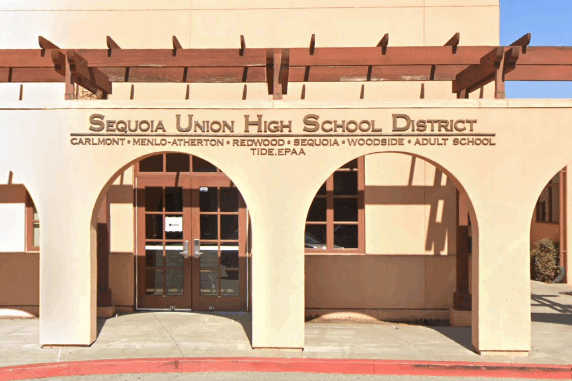
May 26, 2026 District settles antisemitism lawsuit Adriana Hernandez The lawsuit claimed Woodside history teacher of spreading “pro-Hamas propaganda under the guise of teaching 10th-grade World History.” Originally Posted In: https://padailypost.com/2026/05/26/district-settles-antisemitism-lawsuit/ < Back Sequoia Union High School District has settled a lawsuit filed by six families who claimed teachers and administrators at Woodside and Menlo-Atherton high schools failed to address a rise in antisemitism. The settlement agreement includes: Over the next three years, teachers must clear any materials related to the conflict in Gaza with an independent reviewer who will be agreed upon by the district and the parents, Upping its process for investigating complaints of antisemitism, which will include hiring an outside investigator, Changing district policy to name and define antisemitism as a prohibited form of discrimination, Mandatory annual antisemitism training for all district employees who work with students, A payment from the district of $325,000, which includes attorney’s fees, to the families, An outside investigator will be hired to oversee the district’s compliance with the settlement over the next three years, and will conduct a formal investigation into the district’s handling of antisemitism complaints in 2024 and write a public report about if the district followed state and federal law. “We believe this represents the most comprehensive, legally binding set of anti-antisemitism reforms ever adopted by a public school district in the United States,” attorney Ryan Weinstein, who represented the parents, said in a statement. Antisemitism at schools escalated after the Oct 7, 2023, Israel-Hamas conflict, according to the lawsuit. “Jewish students faced a barrage of taunts, slurs, and hateful remarks, culminating in the appearance of two giant swastikas on campus grounds,” the suit said. Jewish students were advised by teachers to hide their religious identity to avoid becoming targets, according to the suit. The suit named Woodside High Principal Karen Van Putten and vice principals Charles Velschow and Wendy Porter. Five of the students attend Woodside. The suit also names Menlo-Atherton High School Principal Karl Losekoot, Sequoia Union Superintendent Crystal Leach, Associate Superintendent of HR Bonnie Hansen, former Assistant of HR Todd Beal and all five district board members. Also named is Gregory S. Gruszynski, a history teacher at Woodside High and a former head of the teachers’ union. The parents who filed the suit are Sam and Andrea Kasle, Igor and Marina Bershteyn, Margarette Kesselman, Scott and Lori Lyle, Daniel and Jennifer Reif and Lisa Joy Rosner. The lawsuit highlighted several alleged incidents that support its claim. In December 2022, the president of M-A’s Jewish Student Union was called a slur for Jews by a student for wearing a Star of David necklace. The school failed to take any action, according to the suit. In September 2023, a substitute biology teacher at M-A started making jokes about the Holocaust after learning one of her students was Jewish. Principal Losekoot said the teacher, Zoe Wilson, could either apologize or the student could transfer to another biology class. Wilson apologized, but the student felt the apology was insincere. On Nov. 1, 2023, two swastikas were found etched on the pavement at Woodside High School. The perpetrator was caught but claimed the swastikas were “spiritual symbol(s) from Japanese Buddhism known as Manji popularized by anime.” Van Putten told parents she contacted the San Mateo County Sheriff’s Office about the swastikas, but there was no record of the report, the suit said. The lawsuit also claimed Woodside history teacher Gruszynski of spreading “pro-Hamas propaganda under the guise of teaching 10th-grade World History.” He mocked the beliefs of the only openly Jewish student in class and “coerced her into endorsing his biased and ahistorical views to achieve satisfactory grades on exams,” the suit said. “The girl repeatedly returned home in tears after suffering through Gruszynski’s classes,” the suit said. The school board heard from parents on Jan. 17, but no concrete measures were taken to address the hostile environment, the suit said. Previous Next
- ZOA Settles Antisemitism Lawsuit With Cherry Hill School District (NJ) | PeerK12
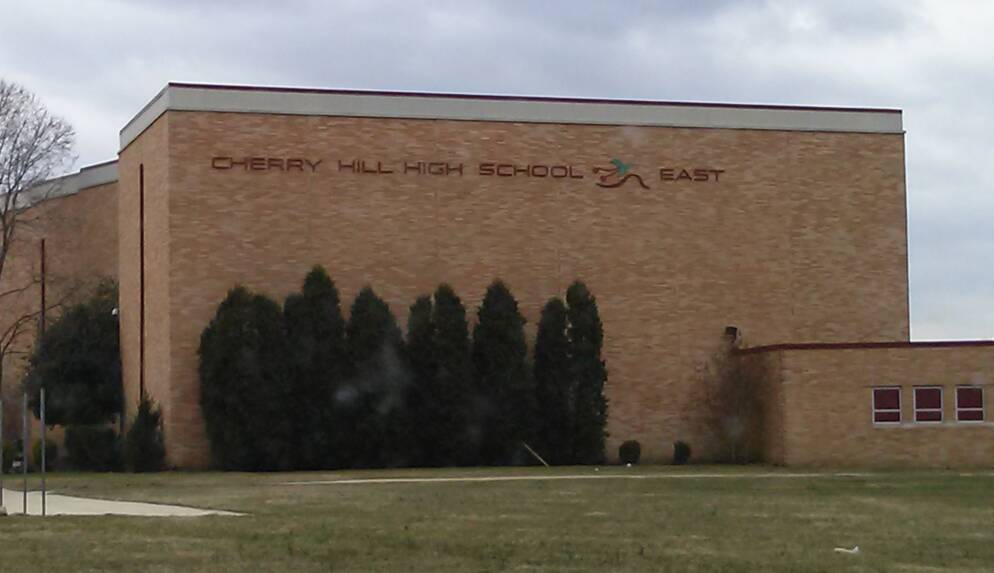
February 3, 2026 ZOA Settles Antisemitism Lawsuit With Cherry Hill School District (NJ) Mia Resnicow The complaint alleged that school officials retaliated “harshly, undeservedly and outrageously” against the student for making complaints of bullying and harassment. Originally Posted In: https://www.jewishexponent.com/zoa-settles-antisemitism-lawsuit-with-cherry-hill-school-district/ < Back The Zionist Organization of America announced on Jan. 20 that it reached a settlement in its lawsuit against Cherry Hill Public Schools in New Jersey. In June 2024, the ZOA filed a complaint on behalf of a Jewish student at Cherry Hill High School East and his parents relating to the conduct of the school and the school district in response to alleged harassment, intimidation, bullying and free speech violations of said student. “I think one important aspect of this resolution, that I think applies to other cases, is the importance of educating your school community about the problem of antisemitism, helping the community understand how antisemitism can be expressed today, making it clear to your school community that the district or the university will have zero tolerance for antisemitism, however it’s expressed, and that is going to hold wrongdoers accountable,” Susan B. Tuchman, the director of ZOA’s Center for Law and Justice, told Philadelphia Jewish Exponent. The complaint alleged that school officials retaliated “harshly, undeservedly and outrageously” against the student for making complaints of bullying and harassment. “The antisemitic threats, harassment and intimidation were so offensive, severe and pervasive that they created a hostile environment for [the student] limiting his ability to participate in and benefit from High School East’s programs and activities,” the ZOA stated in the filed complaint. After Oct. 7, 2023, students at Cherry Hill High School East allegedly came to school wearing keffiyehs, waving Palestinian Arab flags, and shouting “Free Palestine.” The Jewish student took two short videos of the other students, expressing his opinion that the students were endorsing Hamas. According to the complaint, the videos did not violate any of the school’s rules or policies. The complaint also alleged that the Jewish student’s friend overheard Arab Muslim students in the school bathroom discussing a plan to jump the student for taking the videos. After reporting the incident to school officials, the school officials allegedly failed to address the threats. Another incident described in the filing involved the Jewish student being harassed in the school’s cafeteria by other students, and then being taken to speak with school officials, who allegedly threatened the student, telling him, “If you post any more videos, you’re out of here.” A day later, the student was suspended for four days in October 2023. The complaint also alleged that school officials publicly blamed the student for one of the incidents, saying that someone was putting misinformation on social media, causing problems at school. According to the complaint, no actions were taken against the other students. Under the settlement, which was executed in May 2025, the school district is required to expunge any information and evidence relating to disciplinary action taken again the Jewish student, continue to provide education on antisemitism as part of its mandatory Holocaust education, commemorate Holocaust Remembrance Day annually, and during the week of Holocaust Remembrance Day starting on April 21, 2025, maintain a table of books in the district’s libraries that commemorate Jewish history. Additionally, the settlement required the school district to issue a statement on its website promising that all perpetrators of antisemitism would be held accountable in the district and include data about the rise in antisemitic incidents in New Jersey. The statement also included the International Holocaust Remembrance Alliance’s working definition of antisemitism. According to Tuchman, after the settlement was executed, the ZOA and the school district disagreed on one of the terms of the settlement. The settlement agreement stated the school district was required to issue a statement and post the statement on its website. “When we said that, it was with the knowledge that the district regularly issues statements to the community, whether it’s by email or by letter,” she explained. The ZOA brought the matter to court in June 2025, and then the court’s decision was released last month, and, Tuchman explained, “determined that simply posting the antisemitism statement on the website was a fair reading of the party settlement agreement.” Overall, Tuchman said the ZOA is very pleased with the outcome of the settlement agreement. “It shouldn’t have to take a settlement agreement to get the district to educate the community about this area’s problem of antisemitism, which infected its own district,” Tuchman added. “But overall, yes, we are very pleased with the outcome.” Cherry Hill Public Schools did not respond to a request for comment from Philadelphia Jewish Exponent prior to publication. Previous Next
- Ethnic Studies | PeerK12
Explore PeerK12's comprehensive resources on Ethnic Studies in K-12 education. Understand its ideological origins, potential impacts, and learn how communities can advocate effectively protect their students from radical ideologies, ensure transparency in their school districts, and provide unbiased curriculum for their children. WELCOME TO THE ETHNIC STUDIES LEARNING HUB The Ethnic Studies Origin Story Uncovering the History Behind Education’s Most Controversial Discipline Whether you're a seasoned expert or simply curious, this session will challenge your assumptions, equip you with new insights, and leave you better prepared to engage in one of America's most critical and ongoing debates. Discover hidden connections between historical activism, controversial educational mandates, and today’s fierce ideological battles unfolding inside classrooms nationwide. After you see this video, y ou'll understand precisely how concepts such as intersectionality , decolonization , land acknowledgements , and dismantling systems of power have quietly reshaped curricula—and why this matters profoundly, even if you don't have kids currently attending K-12 schools. CA ethnic studies violations & lawsuits New February 24, 2026 First ever lawsuit by Jewish parents against a US State : The coalition of Jewish parents in this lawsuit are suing the California government of failing to protect Jewish students from a surge of antisemitic harassment, violence, and propaganda in the state’s public schools. ETHNIC STUDIES related LAWSUITS in california Berkeley USD Hayward USD Los Angeles USD Mountain View–Los Altos UHSD Palo Alto USD San Diego USD Santa Ana USD Sequoia Union High School District JEWISH PARENT COALITION SUES STATE OF CALIFORNIA, THE CALIFORNIA DEPARTMENT OF EDUCATION & STATE SUPERINTENDENT TONY THURMOND INVESTIGATIONS: California Department of EDUCATION The California Department of Education (CDE) has investigated and found that the following three school districts are guilty of violating the civil rights of their Jewish students, teachers, and faculty with their ethnic studies curriculum: Campbell Union High School District Santa Clara Unified School District ( USD) Tamalpais Union High School District (home district and alma mater of California Governor Gavin Newsom ) federal office of civil rights investigations Title VI - National Origin Discrimination Involving Religion Berkeley USD Fullerton USD Lammersville USD Los Angeles USD Oakland USD Placentia-Yorba Linda USD Roseville City School District San Francisco USD West Contra Costa USD California department of justice California Department of Justice: Office of the Attorney General Legal Alert to School Districts on Curriculum January 9, 2024 California’s Education Code also requires that curricula and instructional materials used in public schools: Reflect the diversity of the State by including a study of the role and contributions of protected groups (Ed. Code, § 51204.5); Accurately “portray the cultural and racial diversity” of society (Ed. Code, § 60040); Not contain any matter reflecting adversely on persons because of their race, sex, color, national origin, or ancestry. (Ed. Code, § 51501); Not teach or promote religious doctrine (Ed. Code, § 51225.3, subd. (a)(1)(G)(v). Download the Legal Alert PDF California Commission on the State of Hate 2023-2024 REPORT FINDS THAT Ethnic studies FUELS DIVISION & HATE CALIFORNIA Commission on THE State of Hate Annual Report Highlighting Ethnic Studies Dangers, Calls for Pause February 2025 The California Commission on the State of Hate’s 2023-2024 Annual Report provides a critical examination of ethnic studies implementation, education policy, and hate prevention efforts in California schools. The report highlights serious concerns about bias, enforcement failures, and the lack of oversight in ethnic studies curricula, which must be addressed before further educational mandates are pursued. Read the 2023-2024 State of Hate Report debunked studies on positive outcomes Studies Fail to Support Claims of New California Ethnic Studies Requirement A law mandating the course for all public high school students is based on two unreplicated studies that distort the data. RICHARD SANDER & ABRAHAM WYNER Last fall, when California Gov. Gavin Newsom signed into law a measure that could require every California public high school student to take an “ethnic studies” course to graduate, he alluded to two studies commonly cited by advocates to justify the measure, claiming the research shows that ethnic studies courses “boost student achievement over the long run—especially among students of color.” But the experiment on which these conclusions are based is so muddled, and the data reported is so ambiguous, that in fact they support no conclusion, either positive or negative, about the effects of this particular ethnic studies course in these particular schools and times. Far from demonstrating the value of ethnic studies courses, these studies merely demonstrate how easy it is in our overheated political environment to subvert statistical analyses for political purposes. Debunking the myth that ethnic studies promotes educational outcomes "The work they present fails many basic tests of scientific method, and it should not have been published as written, much less relied upon in the formulation of public policy." Read the Article March 28, 2022 WEBINARS & VIDEOS ON ETHNIC STUDIES Ethnic Studies All Categories Play Video Play Video 04:37 UNDERSTANDING ETHNIC STUDIES IN 5 MINUTES OR LESS Hey Everyone, I finally made a short explainer video onto the subject of Liberated Ethnic Studies. This is a good one to share with friends who don't see the concern. Please like share and if you haven't subscribe! All of the in-depth videos are on the live page. The subject is heavy and nearly every parental advocate is covering it because it is that urgent. Music Ben Sound License code: O0CETJWKOQ7YK6GO Play Video Play Video 13:13 Ethnic Studies: Education or Indoctrination? California is proposing a mandatory ethnic studies class that is so far-left, that even California’s liberal media are expressing concern. It will teach California high school students that capitalism is an oppressive system akin to white supremacy, and word like Misogynoir, Positionalities, and cis-hetero-patriarchy. And YouTube decided to instantly demonetize this episode before it had a title, tag, description, or was even made public. I wonder what Google felt was too controversial? How did the bots read this episode? SUPPORT US: Patreon.......►https://www.patreon.com/americauncovered SOCIAL: Facebook...► https://www.facebook.com/America-Uncovered-1819821761677650/ Instagram..► https://www.instagram.com/chinauncensored Twitter........► https://twitter.com/USUncovered us news red pill gender equality president trump political news Play Video Play Video 02:06 Mother Testifies Against Ethnic Studies Bill: “Not Everything That Sounds Good IS Good” Kofi Montzka, a Minnesotan attorney and mother of three, testified against H.F. 1269 on March 21, 2023. "We used to have a race-based system. We got rid of it, and now you all are trying to bring it back.” For more information on this legislation and how to contact your legislators, go to www.americanexperiment.org/bait-and-switch/ Play Video Play Video 05:40 What Students REALLY Learn in Ethnic Studies Classes? Curious about what students REALLY learn in ethnic studies classes? Watch this video to find out the eye-opening insights shared by students themselves! What Students REALLY Learn in Ethnic Studies Classes? Play Video Play Video 02:31:03 California Forum on Ethnic Studies in Public Schools Are ethnic studies classes giving students a broader perspective—or pushing ideological agendas? The California Forum on Ethnic Studies in Public Schools is your chance to speak up. This live-streamed, citizen-hearing style event brings students, parents, and educators together to share their real-world experiences—directly with policymakers—fostering honest dialogue about what’s happening in classrooms across California. Join us as we tackle the tough questions: 🔹 Are ethnic studies courses meeting ed code standards? 🔹 How can we keep education free from political bias and discrimination? 🔹 What should parents, teachers, and lawmakers do next? This is your opportunity to take action and be heard. Whether you’re a concerned parent, a passionate educator, or a student with firsthand experience, your voice matters. Play Video Play Video 01:15:56 Ethnic Studies: From Radical Roots to Government Mandate Join the Institute for Liberal Values with the Coalition for Empowered Education livestream discussing the problems with Liberated Ethnic Studies and what the coalition is doing about it. Play Video Play Video 01:03:07 4. Teach Ethnic Studies - The Racist Roots and History of Critical-Liberated Ethnic Studies Understand the racist roots and history of Critical-Liberated Ethnic Studies and the ideologies and structures that guide and inspire the DEI efforts in today’s educational institutions. 1. Ideological Subversion: Increase your understanding of the process of ideological subversion in social justice education. https://www.youtube.com/watch?v=ucjhIilHoYw 2. Guiding Principles: Infuse the Empowered Social Justice Guiding Principles into social justice teaching and learning. https://www.youtube.com/watch?v=jtRG3iPK8Dg 3. Standards and Resources: Use the Empowered Social Justice framework and resources to teach ethnic studies in grades 9-12. https://www.youtube.com/watch?v=rD1DD10RtIw 4. Teach Ethnic Studies: Use the Empowered Social Justice framework and resources to teach ethnic studies in grades 9-12. https://www.youtube.com/watch?v=ghES0tnAWuA Download the free Empowered Social Justice Resources and learn more: https://tinyurl.com/DrLeeESJR Play Video Play Video 01:08:11 1. Ideological Subversion: Empowered Social Justice Resources Video Series about the Empowered Social Justice Resources: 1. Ideological Subversion: Increase your understanding of the process of ideological subversion in social justice education. https://www.youtube.com/watch?v=ucjhIilHoYw 2. Guiding Principles: Infuse the Empowered Social Justice Guiding Principles into social justice teaching and learning. https://www.youtube.com/watch?v=jtRG3iPK8Dg 3. Standards and Resources: Use the Empowered Social Justice framework and resources to teach ethnic studies in grades 9-12. https://www.youtube.com/watch?v=rD1DD10RtIw 4. Teach Ethnic Studies: Use the Empowered Social Justice framework and resources to teach ethnic studies in grades 9-12. https://www.youtube.com/watch?v=ghES0tnAWuA Download the free Empowered Social Justice Resources and learn more: https://tinyurl.com/DrLeeESJR LATEST PEERK12 BLOG ARTICLES ON ETHNIC STUDIES 1 2 3 frequently asked questions about ethnic studies What is ethnic studies, and how is it different from multicultural education? What does CA's AB 101 entail? Is ethnic studies currently a graduation mandate in California? What are the legal requirements for ethnic studies courses? Do schools have to use the state’s model ethnic studies curriculum? Why is there so much concern about antisemitism in ethnic studies? Why did AB 1468 (ethnic studies "content standards") fail to pass the CA legislature? Who decides what gets taught in ethnic studies classes? Doesn’t California already require inclusive and diverse education? Is there effective oversight for ethnic studies courses? Submit a Question on Ethnic Studies Didn't find the answer you were looking for? Submit your question here and we will get back to you - and potentially add your question to our FAQ's to help others better understand this issue as well. First name* Last name Email* Submit Your Question* Submit
- October 7th | PeerK12
October 7 marks the anniversary of the deadly Hamas terror attack and the tragic loss of over 1,200 lives. On this page, PeerK12 offers guidance for schools on how to support Jewish students and staff — from trauma-informed counseling and quiet spaces for reflection to flexible academic accommodations and educator training. Learn how schools can promote safety, sensitivity, and inclusion during this difficult time. OCTOBER 7TH October 7 will mark the second anniversary of the horrific events of the Hamas terror attack, the deadliest attack against Jews since the Holocaust. The massacre of over 1200 Israelis and the brutal kidnapping of 240 people, FIFTY of whom are still held in captivity, has profoundly impacted Jewish communities worldwide, including students, staff, and families in our own community. Compounding the pain of this anniversary is the fact that many anti-Israel groups are planning events to celebrate the Hamas attack. We urge school administrators, principals, school board members, and district staff to take proactive measures to protect the emotional well-being and safety of our students and staff during this critical and vulnerable time. INSIGHTS Many students may still be grappling with grief over the loss of loved ones, the collective trauma of the attacks, and the added weight of religious obligations during this period. We encourage schools to utilize the resources provided to ensure that Jewish students feel safe, respected, and included. 01 The Importance of Sensitivity October is a particularly challenging time for Jewish students, especially with the annual commemoration of October 7th coinciding with major Jewish holidays. Educators and administrators must be aware of the increased need for sensitivity and understanding in dealing with Jewish students. 03 Flexible Academic Deadlines Offering Jewish students the flexibility to postpone assignments and exams during the High Holidays and the October 7th commemoration period ensures they can participate fully in their religious observances without academic penalties. 05 Counseling Support for Trauma Many Jewish students may be dealing with post-traumatic stress related to the violence of October 7th, especially if they have family ties to Israel. School counselors should be prepared with trauma-informed practices to help students navigate these challenges. 02 Why This Matters Recognizing the emotional and cultural significance of this period for Jewish students is vital for creating an inclusive and supportive school environment. By adopting policies that reflect empathy and understanding, schools can help Jewish students navigate their academic responsibilities while honoring their cultural and emotional needs. 04 Safe & Quiet Spaces for Reflection Schools should provide Jewish students with quiet spaces for prayer, reflection, or emotional relief. These spaces are critical during the commemoration of October 7th, when some students may need a break from school activities. 06 Awareness & Training for Educators Educators should receive training on the cultural and emotional significance of Jewish holidays and the impact of October 7th on their Jewish students. Schools can provide professional development sessions to ensure educators approach these subjects with the sensitivity and respect they deserve. october 7 documentaries These documentaries should be used in coordination with teacher training. Some of these films are not appropriate for children under the age of 16. In a series of intimate, unscripted conversations, Tucker sits down with eight children — ranging in age from 9 to 17 — who recount, in their own words, the horrors they endured that day. Some were held hostage in Gaza. Others watched their parents be murdered before their eyes. One survived by pretending to be dead beneath his mother’s body. Through these harrowing testimonies, the film strips away headlines and politics, revealing something far more enduring: truth through the eyes of children. The documentary offers no narration, no statistics, no political framing — only the voices of the survivors themselves. One 11-year-old girl recalls being forced to sit next to her sister’s lifeless body. Another, just 12, speaks about being kidnapped and beaten after being dragged across the border. A teenage girl reads a final message she never got to send her murdered father. These moments are devastating, but they are also full of strength and resilience. As Tucker observed, “These children don’t wallow — they endure. They grieve — but they also laugh.” WATCH TRAILER
- The Mamdani Index | PeerK12
August 12, 2025 The Mamdani Index Dillon Hosier How to spot the next anti-Israel political star before it’s too late. Originally Posted In: https://www.jns.org/the-mamdani-index/ < Back The victory of New York state assemblyman Zohran Mamdani in New York City’s mayoral primary surprised many observers. He was outspent and lacked the traditional power brokers. He still won. A well-organized and politically extreme movement is beginning to reshape national politics, fostering anti-Israel positions early in the careers of state and local officials. For the pro-Israel community, the mission is urgent and clear: Build nimble and effective state and local pro-Israel networks. And do it now. That work is beginning through a collaboration that pairs Israeli-American Civic Action Network’s (ICAN) state and local monitoring and research with the Jewish Leadership Project’s network of activists. Guided by ICAN’s analysis, this network can focus on emerging threats and begin responding in key communities, laying the groundwork for coordinated and effective action before anti-Israel figures get too entrenched. Mamdani’s record did not appear overnight. We at ICAN first took notice of Mamdani in July 2023, when he introduced the “Not on Our Dime ” Act as a state legislator, targeting pro-Israel nonprofits while promoting rhetoric and alliances that signaled extreme radicalism. Unfortunately, in that pre-Oct. 7 summer, our warnings never had the chance to be acted upon. For several years, our organization has been building a framework for state and local political research to monitor and report on the public affairs activities of elected officials. Mamdani’s candidacy underscores the need for such a system. It operates as a political threat index—focusing on state and local officials - and identifies, tracks and scores anti-Israel positions before they mature into national influence. State and local politics are often a game of musical chairs, where political careers are made. Today’s city council member becomes a state legislator. Today’s state legislator becomes a member of Congress or the mayor of a major city. We can now track these officials, assessing the direction, pace and substance of their political trajectory in real time. The scale is significant, but quantifiable. At the state level, there are 7,383 legislators, and at the local level, a little more than 19,000 city councils, 16,000 school boards and 3,000 county governments. Anti-Israel coalitions understand this math and have targeted these offices for years. Our index distills years of research and analysis into five areas: First, substance: what officials say about Israel, Gaza, the BDS movement and antisemitism in speeches, interviews and written statements. Second, volume: how often anti-Israel messaging appears and whether it spikes around crises. Third, policy: votes, sponsorships and amendments that target Israel or Israeli-American civil society. Fourth, coalitions: links to groups such as the Democratic Socialists of America (DSA), Council on American-Islamic Relations (CAIR), Jewish Voice for Peace (JVP) and Students for Justice in Palestine (SPJ), as well as participation in related events. Fifth, patterns: how positions escalate over time and how networks reinforce those shifts. This index goes beyond a scorecard. We examine the whole official, including social-media activity and engagement patterns; constituent newsletters and press releases; event attendance; and endorsements, given and received. The aim is to identify leading indicators that voting records alone will hide. Just two weeks after the Hamas-led terrorist attacks in southern Israel on Oct. 7, 2023, in Richmond, Calif., after hours of public testimony, Mayor Eduardo Martinez advanced a resolution accusing Israel of ethnic cleansing and collective punishment and urging a ceasefire. Richmond became the first city in the United States to adopt a ceasefire resolution - a symbolic yet influential move that was repeated by dozens of municipalities in the weeks that followed. Earlier this year in Massachusetts, State Representative Erika Uyterhoeven filed H.2984 to direct the state pension fund to divest from companies supplying military equipment to Israel unless those firms pledge to stop. The measure singles out Israel in statute and gives advocates a nationwide test case in a mainstream legislature. In Maryland, State Delegate Gabriel Acevero introduced the “Not on Our Dime ” Act. The bills would expose Maryland-registered nonprofits that support Israel to civil suits and penalties, including loss of charitable status. These are names you’ve likely never heard before, and these three officials are just the beginning. There are many more like them around the country. Officials build an Israel-centered brand, align with national advocacy networks and replicate a familiar package of policies and phrases. By the time the wider public notices, the infrastructure is in place. These are the proof points used to tune the model. Early detection allows engagement where education is still possible and organized opposition where it is not. Previous Next
- What are your children being taught? | PeerK12
October 15, 2024 What are your children being taught? Lindsey Burke Look at schools’ websites, their trainings, mission statements, textbooks, curricula, and yes, even your child’s homework assignments. Corporate America is beginning to turn away from institutional DEI. It’s time schools got back to basics, too. Originally Posted In: https://www.stripes.com/opinion/2024-10-17/what-are-children-being-taught-crt-15538356.html < Back In the 1984 horror film “Children of the Corn,” a mysterious entity lures children to turn against their parents to guarantee an abundant corn harvest. Fast-forward 40 years, and a mysterious entity in Montgomery County, Md., is enticing children to turn against the Western world. Nestled just north of Washington, D.C., Montgomery County is among the nation’s wealthiest. Parents tend to earn a living as lawyers and lobbyists, as doctors and defense analysts. They are think-tankers and journalists, and of course, many are bureaucrats entrenched in high places in federal agencies. It’s as “inside the beltway” as you can get. Their progeny are the Children of the Swamp. It matters what this next generation is taught. It matters what children from anywhere in America are taught, of course, but what this next potential crop of federal workers and business and industry leaders learns in school could have an outsized effect on our nation’s future. That may help explain why Montgomery County Public Schools went out of its way to caveat its promotion of the toxic ideology of critical race theory. The district — the 14th largest in the country with more than 160,000 students — put out a statement on CRT in which, as the kids would say, the words “established legal theoretical framework” are doing all the work. The statement reads in part: “While Montgomery County Public Schools (MCPS) does not teach students the established legal theoretical framework known as Critical Race Theory, our school system does not shy away from its longstanding commitment to providing students with the tools to explore the evolution of our nation … ” Clever. Because while the district may not offer a pre-law class on CRT or critical legal studies, the destructive ideology of CRT has made its way into core subjects in the district’s catalog. Take the honors English course at one MCPS school. While the course description reads like a standard English honors class — students read drama and epic poetry, historical literature, imaginative literature, etc. — class assignments seem to have gone off the critical theory rails. In a lesson on “Literary Theory and Criticism” we obtained, students are provided with six lenses through which to examine books they’ve read: Marxist; gender studies & queer theory; critical race theory; psychoanalytical; feminist; and historical/biographical. Other frameworks like formalism, structuralism and reader-response are deemphasized in favor of the more radical flavors of literary criticism. Why are 10th-graders being encouraged to analyze “Catcher in the Rye” through a Marxist lens? Andy why are honors English students learning Marx rather than Milton? The Montgomery County example is but one in the entrenched CRT infrastructure built into many K-12 schools today. Whether it’s CRT itself or newer vintages like California’s ethnic studies graduation requirement , critical theory has permeated the ivy walls of academia and firmly cemented itself in elementary and secondary education. Colleges of education have played a huge role in its dissemination. Paulo Freire’s “Pedagogy of the Oppressed” is among the most assigned texts in colleges of education. As the American Enterprise Institute’s Rick Hess and I found, up to one-third of education school faculty who study race do so through a critical theory lens . In colleges today, there are, on average, 3.4 diversity, equity and inclusion (DEI) employees for every 100 tenured faculty. And K-12 districts nationwide are replicating this bureaucracy. Nearly 80% of the country’s largest K-12 school districts employ chief diversity officers, mirroring the trend in higher education, according to research by my Heritage Foundation colleague Jay Greene. Parents should feel confident voicing their opinions about the content being taught in their children’s school. When they have concerns that an honors English class, for example, is emphasizing critical theory and Marxist analysis, they should not hesitate to speak up to their school principal or at school board meetings. Public schools are taxpayer-funded entities, and as such, parents should not shy away from expressing their opinions about what these institutions are teaching the next generation of Americans. Are they teaching that America is a force for good in the world, or that it is systemically racist and must be dismantled? Are they teaching that all men are created equal, or that children are born as either an oppressor or oppressed? Are schools teaching that truth is relative or that it is knowable and worth pursuing? Look at schools’ websites, their trainings, mission statements, textbooks, curricula, and yes, even your child’s homework assignments. Corporate America is beginning to turn away from institutional DEI. It’s time schools got back to basics, too. Previous Next
- Petitions | PeerK12
Visit PeerK12’s Petitions & Action Alerts page - browse verified petitions and alerts vetted by PeerK12. Add your voice to calls for accountability in K–12 schools, stand up against antisemitism, and support efforts to defend Jewish civil rights in education. Petitions & Action Alerts Denounce the NEA campaign Local District Union Representatives of the NEA Voted to Silence Jewish Voices in K-12. Now It’s Up to All of Us to Stop It From Showing Up in Our Local Schools. Join our National Action Campaign & Push Back on the Teacher Union's Anti-American Bigotry, Discrimination & Abuse of Civil Rights. join the fight Reject CTA Promoted Extremism in California Classrooms AB 715 is a civil rights measure that reinforces California’s Education Code. It ensures that public classrooms remain spaces for balanced education - not political activism - particularly when it comes to sensitive issues like Israel, Zionism, and Jewish identity. The California Teachers Association (CTA) opposes AB 715. While claiming to defend academic freedom, the CTA has promoted educators who espouse radical ideologies - including rhetoric that demonizes Israel and pushes extremist “resistance” narratives rooted in antisemitism. AB 715 does not ban discussion or suppress free speech. It affirms that no student should be subjected to biased instruction that undermines their identity or safety. The Senate Education Committee must reject the CTA’s argument and affirm a basic principle: civil rights come before politics. Sign this Petition Sign this Petition Repeal California's Harmful Ethnic Studies Mandate | June 5, 2025 This deeply flawed and costly mandate forces students to take ethnic studies courses with no agreed upon subject matter, content standards, proven academic benefits or oversight—effectively handing curriculum design to outside ideological consultants and activist networks. Since AB 101 was passed—even as it remains unfunded and inoperative—we’ve seen districts like San Francisco, Los Gatos, and Santa Clara adopt curricula that portray Hamas as peaceful and glorify its violence. In Sequoia Union, students are told Israel is “illegal.” In Santa Ana, where a lawsuit was filed over its ethnic studies program, Jews were labeled “oppressors" and internal documents referred to community concerns as the “Jewish question.” The danger is real. The harm is growing. AB 101 must be repealed—before more damage is done. Take Action and Demand LAUSD Reject UTLA’s Anti-Jewish Agenda | APRIL 7, 2025 In recent weeks, the United Teachers of Los Angeles, or UTLA, passed multiple resolutions targeting Jewish-led organizations, rejecting Holocaust education, and promoting anti-Israel extremism in LA classrooms: Voted to sever ties with the ADL—calling it a “genocide denier.” Voted to reject antisemitism education from the Jewish Federation of Los Angeles—slandering it with the same label. Condemned UCLA and LAUSD for working with Jewish groups and promoting Holocaust education. Replaced mainstream antisemitism training with extremist-aligned organizations like PARCEO. Used false claims of “US-Israeli genocide in Gaza” to justify its campaign of exclusion. Sign this Petition See AMCHA's Petitions AMCHA Initiative is committed to organizing and carrying out campaigns to address campus antisemitism that include communicating with university, state, and federal leaders about the problem and possible solutions, engaging grassroots activists, and collaborating with other legal and educational organizations. AMCHA Initiative's open petitions: The Equality Pledge: A Commitment to the Equal Treatment of All Students on Campus Petition to Leaders of State Universities: No Academic BDS at Our Public Universities Petition to Leaders of State Universities: No Academic BDS at Our Public Universities Watch JewsInSchool's LATEST EXCLUSIVE report that exposed the truth about NAIS. Then, sign the letter below to make your voice heard and demand NAIS' DEI indoctrination in schools be investigated by Congress. Special thanks to community advocate Ariele Gordon for authoring this letter. Sign this Petition Join 5 Minutes Today for Israel ACTIVISM SIMPLIFIED. 5 Minutes Today for Israel is a Jewish, volunteer-run, unaffiliated, non-sectarian, non-partisan, mission-driven email blast designed to simply activism in support of Israel and against antisemitism.
- Privacy Policy | PeerK12
PeerK12, unapologetically fighting Jew-hatred in K-12. privacy policy PeerK12 ("Company" or "We") has created this Privacy Policy to set forth the principles governing our information-gathering and dissemination practices. These practices include, but are not limited to, activities such as forums, chat rooms, personal profile pages, product reviews, article commentary, blogs, RSS feeds, and newsletters, among other offerings, all available through our site at www.peerk12.org (the "Site"), and any related services (the "Services"). PeerK12 respects your privacy and is committed to protecting it through our compliance with this policy. Last Revised: October 2024 Scope of this Policy This policy applies to information we collect: On this Site. In email, text, and other electronic messages between you and this Site. Through the mobile and desktop applications you download from this Site. Through direct communications with the Company via email, text, telephone, or any other medium. It does not apply to information collected by: Websites operated by any third party (including our affiliates and subsidiaries). Any third party (including our affiliates and subsidiaries), including through any application or content (including advertising) that may link to or be accessible from the Site, except as expressly provided herein. mobile services We may also collect information from your mobile device if you are using it to access our Site. This information is generally used to help us deliver the most relevant information to you. Examples include your geographic location, how you use the Services, and information about the type of device you use. use of cookies The Site uses "cookies" to help personalize your online experience. A cookie is a text file placed on your hard disk by a web page server. Cookies cannot be used to run programs or deliver viruses to your computer. They are uniquely assigned to you and can only be read by a web server in the domain that issued the cookie. One primary purpose of cookies is to provide a convenience feature to save you time. For example, if you personalize PeerK12 pages or register with the Site or Services, a cookie helps PeerK12 recall your specific information on subsequent visits. This simplifies recording your personal information. When you return to the same Site, the information you previously provided can be retrieved, allowing you to easily use the PeerK12 features you customized. You have the ability to accept or decline cookies. Most web browsers automatically accept cookies, but you can usually modify your browser setting to decline them if you prefer. If you choose to decline cookies, you may not fully experience the interactive features of the Services or websites you visit. Flash Cookies (or "Flash LSOs") When we post videos , third parties may use local shared objects (LSOs), known as "Flash Cookies," to store your preferences for volume control or to personalize certain video features. Flash Cookies are different from browser Cookies because of the amount and type of data and how the data is stored. Cookie management tools provided by your browser will not remove Flash Cookies. Third-Party Websites PeerK12 contains links to third-party websites not owned or controlled by PeerK12. We are not responsible for the privacy practices or the content of such third-party websites. Inclusion of any linked website on PeerK12 does not imply or express approval or endorsement by us of the linked website or any content, opinions, products, or services provided on these websites. Even if an affiliation exists between PeerK12 and a third-party website, we exercise no control over linked sites. Each of these linked sites maintains its own independent privacy and data collection policies and procedures. If you visit a website via a link from our Site, we encourage you to consult that website's privacy policy before providing any personal information. information you provide to social networking sites The Services allow users to access social networking sites (SNS) like Facebook to interact with friends and share content through walls and news feeds. If you are already logged into the Services and an SNS, when you click on "Connect with [SNS]," you will be prompted to merge your profiles. If you are not logged into the SNS, you will be prompted to enter your credentials or sign up for the SNS. By proceeding, you are allowing the Services to access your information and agreeing to the SNS's Terms of Use. Once you register on the Site and connect with an SNS, you will be able to automatically post recent activity back to the SNS. Any information we collect from your SNS account may depend on your privacy settings with that SNS. How We Use Your Information We may use information that we collect about you or that you provide to us, including any personal information, to: Present our Site to you Provide you with information, products, or Services that you request from us Provide you with information, products, or Services that we think may be of interest to you Fulfill any other purpose for which you provide it Carry out our obligations and enforce our rights Allow you to participate in interactive features on our Site In any other way we may describe when you provide the information For any other purpose with your consent Disclosure of Your Information We may disclose aggregated information about our users and information that does not identify any individual without restriction. We may share your Personally Identifiable Information with third-party service providers we use to support our business to: Provide you with the Services offered through our Site. Conduct quality assurance testing. Facilitate the creation of accounts. Provide technical support. Provide other Services by the Company. These third-party service providers are required not to use your Personally Identifiable Information other than to provide the Services requested by the Company. We may also disclose personal information that we collect or you provide as described in this policy to our subsidiaries and affiliates to: Provide you with Services offered through our Site. Provide you with information, products, or Services that you request from us. Provide you with information, products, or Services that we think may be of interest to you. In any other way we may describe when you provide the information. For any other purpose with your consent. As we continue to develop our business, we may buy, merge, or partner with other companies or businesses, and in so doing, acquire or share information about Site users or investors. In such transactions, Personally Identifiable Information held by the Company may be among the transferred assets. Similarly, in the event that a portion or all of PeerK12's assets are sold or transferred to a third party, Personally Identifiable Information held by the Company would likely be among the transferred business assets. Notwithstanding any other provision of this Privacy Policy, we may disclose Personally Identifiable Information to others if we are required to do so by law or if we in good faith believe that such action is necessary to: Comply with the law or with legal process. Protect and defend our rights or property. Protect against misuse or unauthorized use of the Site. Protect the personal safety or property of our users or the public. Please note that we may not provide you with notice prior to disclosure in such cases. Public Forums PeerK12 may make chat rooms, forums, blogs, article commenting, and personal profile pages available to users. Please remember that any information you choose to provide in these areas becomes accessible to the public and becomes the property of PeerK12 in accordance with our Terms and Conditions. We may use such information in any way we see fit. Though we take measures to limit access to certain pages, please be aware that no security measures are perfect or impenetrable. Additionally, we cannot control the actions of other Site users with whom you may choose to share your information. Consequently, you should exercise caution when deciding to disclose your personal information or upload material of any kind. Security PeerK12 has implemented measures designed to protect your personal information from accidental loss, misuse, unauthorized access, disclosure, and alteration. Security of information communicated by or to us over the Internet is important to us; however, no networked data communications can be guaranteed to be 100% secure. Please note that your email, like most unencrypted Internet communications, may potentially be accessed and viewed by other Internet users without your knowledge and permission while in transit to us. To protect your privacy, please do not use email to communicate information to us that you consider confidential. While we strive to protect your personal information, PeerK12 cannot ensure or warrant the security of any information you transmit to us. Once we receive your transmission, we will use reasonable efforts to ensure its security on our internal systems. Depending on the nature of the inquiry, your communication may be discarded or archived. Information We Collect There are two kinds of information that PeerK12 can obtain about you: "Anonymous Information" and "Personally Identifiable Information."Anonymous Information consists of non-personally-identifiable data, such as your Internet Protocol ("IP") address or domain, or information about your usage on PeerK12. For example, an IP address is a unique string of numbers assigned to your computer by your Internet Service Provider. Web servers automatically identify your computer by its IP address. We may collect our users’ IP addresses for various purposes, including helping diagnose problems with our servers and reporting aggregate information to our advertisers, corporate affiliates, consultants, and third parties that perform particular services on our behalf. We may also use the information linked to IP addresses to ban users who violate our Terms and Conditions of use. Personally Identifiable Information is any information that personally identifies you, such as your name, street address, email address, or telephone number. We collect such information when, for example, you enter it in response to a request, subscribe to our email newsletter, or participate in other interactive online activities or Services. If you post messages, text, comments, or other content at various places on our Site, the information contained in your posting will be stored on our servers, and other users will be able to see it. When we collect Personally Identifiable Information from you for delivering our digital communications, e.g., our email newsletter, you will have the opportunity to "opt in." You can opt out of receiving these communications by following the instructions and links provided at the bottom of each message. If you use this method, you will stop receiving promotional communications from us. If you have submitted your personal information to PeerK12 as a visitor, you may correct, amend, or delete the Personally Identifiable Information maintained on file about you if it is incorrect, subject to our verification by contacting us at info@peerk12.org . Policy Regarding Minors Children should always ask parents before providing any personal information online. No information should be submitted to or posted on PeerK12 by any minor (a person under 18 years of age) without the consent of a parent or guardian. Unless otherwise disclosed during collection, we do not knowingly provide any Personally Identifiable Information about minors, regardless of its source, nor is this information knowingly used by PeerK12 for any marketing or promotional purposes. Minors are not eligible to participate in contests.In the event that we learn we have collected information from any child under the age of 13 without verification of parental consent, we will delete this information from our database. If you believe that the Site has collected any information about anyone under 13, please contact PeerK12's Site Administrator via postal mail or email at one of the addresses listed below. Policy Regarding Users Outside of the United States If you are a non-U.S. user of the Site, by visiting the Site and providing us with data, you acknowledge and agree that your personal data may be processed for the purposes identified in the Privacy Policy. In addition, your Personal Data may be processed in the country in which it was collected and in other countries, including the United States, where laws regarding processing of Personal Data may be less stringent than the laws in your country. By providing your data, you consent to such transfer. Limitation of Liability PEERK12 PROVIDES THE INFORMATION, SERVICES, AND PRODUCTS ON THIS WEBSITE "AS IS" WITHOUT WARRANTIES OF ANY KIND. YOU AGREE THAT PEERK12 SHALL NOT BE RESPONSIBLE FOR ANY CONTENT FOUND ON OUR FORUMS, THAT ANY DOWNLOADING OF MATERIALS FOUND ON OR THROUGH PEERK12 FORUMS IS DONE AT YOUR OWN RISK, AND THAT PEERK12 IS NOT RESPONSIBLE FOR UNSOLICITED COMMUNICATIONS THAT ARISE FROM YOUR POSTINGS. PEERK12 SHALL NOT BE RESPONSIBLE IN ANY MANNER FOR THE ACTS OF ANY THIRD PARTY, INCLUDING WITHOUT LIMITATION, ANY THIRD-PARTY AD NETWORK. Consent and Modifications to this Privacy Policy PeerK12 is controlled, operated, and administered entirely within the United States. By using PeerK12's Site and/or participating in the activities of PeerK12’s community, you signify your agreement to the terms of this Privacy Policy. If you do not agree with this Privacy Policy, please do not disclose any personal information through our Site, Investor Portal, or to us generally. At its discretion, PeerK12 may modify this Privacy Policy at any time. Modifications are effective upon being posted on the Site, and your continued use of the Site after we make changes is deemed acceptance of those changes, so please check the policy periodically for updates. Contacting PeerK12 If you have any questions about this Privacy Policy, you may contact us at: PeerK12, Attention: Privacy 4079 Governor San Diego, CA 92122 Email: info@peerk12.org This Privacy Policy is effective as of the date written above and supersedes all earlier versions of our Privacy Policy.
- Holocaust Remembrance | PeerK12
Access PeerK12’s Holocaust Remembrance (every Jan 27th) resources for K-12 educators and students. Find age-appropriate lesson plans, reading lists, and background materials to honor International Holocaust Remembrance Day with historical context, meaningful discussion, and educational support. international holocaust remembrance day The United Nations General Assembly designated January 27th - the anniversary of the liberation of Auschwitz-Birkenau - as International Holocaust Remembrance Day, a time to remember the six million Jewish victims of the Holocaust and the millions of other victims of Nazi persecution. As we are witnessing an alarming rise of antisemitism around the globe, it is more important than ever for us to recognize the critical lessons of Holocaust history as we commemorate the victims and honor the survivors. Below is a list of appropriate, unbiased resources for students in grades K-12 to learn about International Holocaust Memorial Day. These resources provide educational material that is factual, sensitive, and suitable for young learners at different grade levels. K-5 (Elementary School) United States Holocaust Memorial Museum (USHMM) – “For Children ” The USHMM offers resources specifically designed for younger learners. These include age-appropriate explanations of the Holocaust, videos, and interactive tools. Facing History & Ourselves “The Holocaust: A Learning Site for Kids” Facing History provides resources that help students understand the consequences of intolerance and prejudice through stories and historical facts. "Paper Clips" - A Documentary Paper Clips is the moving and inspiring documentary film that captures how these students responded to lessons about the Holocaust-with a promise to honor every lost soul by collecting one paper clip for each individual exterminated by the Nazis. Despite the fact that they had previously been unaware of and unfamiliar with the Holocaust, their dedication was absolute. Their plan was simple but profound. The amazing result, a memorial railcar filled with 11 million paper clips (representing six million Jews and five million gypsies, homosexuals and other victims of the Holocaust) which stands permanently in their schoolyard, is an unforgettable lesson of how a committed group of children and educators can make a difference. RECOMMENDED BOOKS “The Butterfly” by Patricia Polacco Book Summary: A picture book based on the true story of a young girl and her family’s escape from the Holocaust. The narrative is accessible to young children and conveys the impact of the Holocaust in an age-appropriate manner. “The Story of the Holocaust” by Judy Press Book Summary: A simplified, illustrated version of the Holocaust story, with focus on the experiences of Jewish children during the Holocaust. This book is designed for younger children, emphasizing hope, remembrance, and education. 6-8 (MIDDLE School) Yad Vashem – Educational Resources for Schools Yad Vashem’s educational platform includes multimedia resources, lesson plans, and survivor testimonies, suitable for middle school students exploring the Holocaust in a respectful manner. United States Holocaust Memorial Museum (USHMM) “A Teacher’s Guide to the Holocaust ” is aimed at educators, however it contains valuable teaching materials such as lesson plans, survivor stories, and age-appropriate resources that are effective for middle school students. RECOMMENDED BOOKS “Number the Stars” by Lois Lowry Book Summary: A historical novel that tells the story of a young Danish girl who helps a Jewish family escape the Nazis. This book is a powerful way to introduce the Holocaust’s human impact to middle schoolers. “The Holocaust: A New History” by Laurence Rees Book Summary: This is a well-balanced and accessible historical account suitable for middle schoolers, providing an understanding of the Holocaust in clear and thoughtful language. 9-12 (HIGH School) United States Holocaust Memorial Museum (USHMM) USHMM offers interactive online programs, webinars, and digital resources that allow high school students to explore various aspects of the Holocaust in depth. Holocaust Education & Archive Research Team (HEART) This site provides a range of academic-level resources, survivor interviews, historical context, and articles on the Holocaust for high school students. Facing History & Ourselves – “The Holocaust” Facing History offers lesson plans, documentaries, survivor stories, and primary-source materials that help high school students grapple with the complexities of the Holocaust and its modern-day implications. Anne Frank House – Education Resources The Anne Frank House provides online educational tools, including materials to support learning about the Holocaust through the lens of Anne Frank’s life and legacy. RECOMMENDED BOOKS “The Diary of Anne Frank” Book Summary: This famous first-hand account of a Jewish teenager hiding from the Nazis during the Holocaust is a profound introduction to the personal experiences of Holocaust victims. It is often taught in high school classrooms. “Night” by Elie Wiesel Book Summary: This is a powerful autobiographical account of Wiesel's experience in Nazi concentration camps, written for older students. The themes of memory, trauma, and human dignity are explored, and it is a staple for high school curricula on the Holocaust. GENERAL (FOR ALL AGES) International Holocaust Remembrance Alliance (IHRA) The IHRA offers a wealth of resources on Holocaust education, including guides, lesson plans, and educational tools suitable for all ages, with a focus on remembrance and combating antisemitism. The Holocaust Education Trust The Trust provides various educational materials, including videos, articles, and lesson plans, to help explain the Holocaust in a way that is respectful, factual, and appropriate for different age groups. “Auschwitz: The Past Is Present” (PBS Documentary) This PBS documentary provides a sensitive exploration of Auschwitz’s history, including survivor stories, and is suitable for high school students. The content is educational but requires adult guidance for younger audiences. FREE Teacher Trainings for International Holocaust Remembrance Day can be found here, many of these also offer a certificate and/or graduate credit: Echoes and Reflections Museum of Jewish Heritage: A Living Memorial to the Holocaust Independent Institute: Comparative Cultures Ethnic Studies Curriculum Unit 6, Jewish Americans Balanced Learning StandWithUs
- PeerK12 | Unapologetically fighting Jew-hatred in K-12
See PeerK12’s impact - a detailed timeline of major wins: from exposing antisemitic policies in K-12 schools to mobilizing parents, influencing school districts and lawmakers, removing biased curricula, and building nationwide coalitions to defend Jewish civil rights in education. a look back at some of our biggest wins from 2024 unapologetically fighting Jew-hatred in K-12 january 2024 january 2024 january 2024 january 2024 Mobilization Wins 🔥 Exposed the Massachusetts Teachers Union scandal, ensuring parents had a voice in the fight against antisemitic bias in education. ✔ Stopping Antisemitic Policy Moves: Successfully mobilized against a San Diego ceasefire resolution, blocked the reappointment of a problematic local imam to the Human Rights Coalition (HRC), and supported Iran divestment policies—all leading to critical policy shifts. Advocacy in Action ✔ Influencing Educators: Launched awareness efforts against the San Diego Educators Association’s (SDEA) ceasefire resolution, setting the stage for continued advocacy in K-12 spaces. Impactful Partnerships ✔ Trained parent groups in Connecticut & New Jersey, equipping them with the tools to push back against antisemitism in schools. ✔ Built strategic relationships with the American Jewish Medical Association (AJMA) and JewsInSchool, expanding our advocacy reach. february 2024 february 2024 february 2024 february 2024 Mobilization Wins ✔ Rapid Response Saves the Day: Within two hours, mobilized to shut down an antisemitic panel at Helix Charter H.S.—a Saturday morning victory proving the power of community action! 🔥 Addressing School Bias: Confronted issues at La Jolla Country Day and the National Conflict Resolution Center, keeping antisemitism in check. Advocacy in Action ✔ Direct Engagement with School Districts: Organized high-level meetings with Sweetwater Union High School District (SUHSD) & San Diego Unified (SDUSD) on Ethnic Studies, DEI, and combating Jew-hatred. Impactful Partnerships ✔ Partnered with UCSD professors and local parent groups to hold critical Ethnic Studies training sessions, ensuring Jewish perspectives were included. march 2024 march 2024 march 2024 march 2024 Mobilization Wins ✔ 1,580 Voices Strong! Led a petition against SDUSD’s antisemitic newsletter—forcing content removal and holding the district accountable (again!) ✔ Direct Action Stops Antisemitic Curriculum: Mobilized to remove a San Dieguito Union High School (SDUHSD) Ethnic Literature class filled with anti-Jewish bias. Advocacy in Action 🔥 Challenging State Leadership: Pushed back on Governor Newsom’s apology letter to the Muslim community—ensuring Jewish concerns weren’t ignored. ✔ Equipping Parents Nationwide: Trained Jewish parents in San Francisco, Berkeley, Seattle, Orange County, and Poway, preparing them to stand up for their children. Impactful Partnerships 🔥 Jewish Parent Advocacy Fly-In to Washington D.C.—Secured a hearing request with the Congressional Workforce and Education Committee! Expanded impact by joining forces with Parents Defending Education and #EndJewHatred. april 2024 april 2024 april 2024 april 2024 Mobilization Wins 🔥 Keeping Schools Free from Hate: Successfully removed a Palestinian flag from a school library in PUSD, securing new policies to prevent future political displays. ✔ Coached district parents on requesting, preparing for and participating in a district Parent - Student - Administrator workshop. Advocacy in Action 🔥 San Diego Unified (SDUSD) removed false, antisemitic content from an Arab American Heritage Month proclamation—another win for factual, unbiased education! Trained parents in North Carolina, Illinois & NYC, ensuring national preparedness. Impactful Partnerships 🏛 Official Recognition for Jewish Communities: Secured City of San Diego and Chula Vista proclamations for #EndJewHatredDay and a Jewish American Heritage Month resolution. may 2024 may 2024 may 2024 may 2024 Mobilization Wins 🔥 Dismantling Antisemitic DEI Groups: Mobilized against PUSD’s JEDI group—immediate dissolution of its antisemitic leadership! 🔥 Exposed Bias in Ethnic Studies: Successfully uncovered SDUSD’s Ethnic Studies Department as the force behind a controversial Jewish American Heritage Month resolution, leading to board apologies. Advocacy in Action 🔥 D.C. Fly-in for the Bipartisan Congressional Hearing on Antisemitism in K-12—briefed key lawmakers, ensuring Jewish students' concerns reached national decision-makers. 🔥 Defending Jewish Teachers: Supported a UC High teacher targeted for her Jewish identity, ensuring false complaints against her were dropped. Impactful Partnerships Strengthened alliances with Combat Antisemitism Movement (CAM). june 2024 june 2024 june 2024 june 2024 Mobilization Wins 🔥 PUSD School Board Vote on DEI Group: Successfully mobilized support to dismantle a problematic DEI group, ensuring a more balanced and inclusive school environment. Advocacy in Action 🔥 High-Profile Documentary Screening: Hosted a panel discussion with filmmaker Eli Steele on Killing America at UCSD, drawing 150 attendees, including school board members. 🎤 National Stage: Featured as a guest speaker on a national webinar, further amplifying our advocacy efforts. Impactful Partnerships Strengthened ties with California Policy Center, enhancing our ability to influence education policy. ✔ Policy Research Presentation: Provided a detailed policy analysis with the California Policy Center, arming key stakeholders with data-driven arguments against antisemitic bias in education. july 2024 july 2024 july 2024 july 2024 Mobilization Wins 🔥 Exposed Bias in SDUSD Ethnic Studies Consultant Hiring: Mobilized against misleading job descriptions—resulting in official amendments to ensure compliance with state law. ✔ Chula Vista Schools Officially Recognize Jewish American Heritage Month (JAHM): Mobilization led to JAHM being added to the district calendar, with a commitment to provide appropriate curriculum resources. Advocacy in Action 🔥 In-Person Advocacy with Local & State Officials: Strengthened relationships with lawmakers to push for stronger protections against antisemitism in education. 🎤 Seattle Training for Jewish Professionals & Lay Leaders: Helped prepare local leaders to counter antisemitism in K-12 spaces. Impactful Partnerships 🔥 AFT Forced to Back Down: Launched a petition and media campaign (with JewsInSchool, StandWithUs, and others) in response to multiple anti-Israel resolutions at the American Federation of Teachers (AFT). RESULT: Under intense media pressure (New York Post, etc.), AFT tabled, denied, or watered down every antisemitic resolution. Joined forces with StopHateinSchools, a critical move toward systematizing responses to school-based antisemitism. august 2024 august 2024 august 2024 august 2024 Mobilization Wins 🔥 ✔ Took on San Dieguito Union High School District (SDUHSD) Again: Mobilized against Ethnic Studies implementation, ensuring proper oversight. Advocacy in Action 🔥 Moderated High-Impact Webinars: Led discussions with top figures, including Eitan Chitayat (#ImThatJew) and Israeli President Isaac Herzog—shaping the global conversation on Jewish identity 📚 Equipping Parents with Tools: Hosted JewsInSchool webinar series—including a K-12 Advocacy Toolkit—helping parents nationwide fight antisemitism in their children's schools. Impactful Partnerships 🎤 Featured at the CA for Equal Rights (CFER) Annual Conference: Led a K-12 panel discussion, influencing state-level policy conversations on antisemitism in education. Strengthened collaborations with Jewish Federations of North America (JFNA) to expand advocacy reach. september 2024 september 2024 september 2024 september 2024 Mobilization Wins 🔥 High Tech High’s "Nakba Assignment" Stopped: Forced the teacher to issue a public apology, setting a precedent for challenging anti-Israel bias in lesson plans. ✔ Exposed Bias in SDUSD’s Ethnic Studies Newsletter: Successfully mobilized to remove the promotion of "The Teacher," a biased film, and documented a pattern of antisemitic offenses—forcing the department to implement oversight policies. Advocacy in Action 📚 10/7 Toolkit Sent to Every California School Superintendent: Ensuring accurate resources about Hamas' terror attack were accessible to educators ✔ SDUHSD Ethnic Studies Battle Continues...: Huge turnout, strong community engagement, and a feature for PeerK12 on ABC 10News solidified the Jewish community’s powerful voice in curriculum decisions. Impactful Partnerships ✔ Chicano Park Antisemitic Marquee Removed: Worked directly with the Mayor’s office to take down harmful messaging—holding those responsible accountable. 🎤 Engaged with School Board Candidates: Sent official questionnaires to every San Diego County school board candidate, ensuring they take a stance on antisemitism in K-12. october 2024 october 2024 october 2024 october 2024 Mobilization Wins 🔥 Shifted San Dieguito's Ethnic Studies Curriculum: Forced the removal of the term "Systems of Power"—which often carries anti-Israel bias—and replaced it with “Progress & Barriers.” ✔ International Heritage Day Incident Resolved: Responded to anti-Israel bias at Design39 K-8, securing a district-wide apology and a commitment to stronger oversight. Advocacy in Action 📚 Published & Promoted School Board Candidate Papers: Released analysis across 11 districts, covering 17 races and 19 candidates. 🎤 Co-Hosted & Moderated Two Major Candidate Forums: SDUSD Area A Forum with local PTAs @ Clairemont High DMUSD Forum with the League of Women Voters Impactful Partnerships 🔥 Trained Parents in 4 Cities: Coronado, Ann Arbor, Philadelphia, and Orange County—expanding our national advocacy network. Launched the PeerK12 Incident Tracking Platform - powered by StopHateinSchools.org - allowing parents to document and report antisemitic incidents across schools. november 2024 november 2024 november 2024 november 2024 Mobilization Wins 🔥 Proactively Shaping JAHM in Chula Vista Schools: Ensuring Jewish American Heritage Month is implemented properly, not watered down. Advocacy in Action ✔ 10/7 Survivor Event Leaves a Lasting Impact: Hosted two events featuring NOVA survivor Rom El Hai, with 100 teens and 65 community members—deepening awareness about the horrors of Hamas' attack. Impactful Partnerships Strengthened advocacy efforts with Jewish National Fund (JNF) to secure greater community backing. 🏛 Honored with a VIP Invite to the Empowered Education Conference in Sacramento, further cementing our influence in education policy. december 2024 december 2024 december 2024 december 2024 Mobilization Wins ✔ Final Phase of SDUHSD Ethnic Studies Implementation: Led advocacy efforts, creating talking points and direct action requests for Board Trustees—ensuring Jewish concerns remained central to curriculum changes. Advocacy in Action 🔥 Beverly Hills Combat Antisemitism Movement (CAM) Mayors Conference: Featured as a panelist on antisemitism in K-12 education, educating city leaders and policymakers on how to combat antisemitism in schools. Impactful Partnerships Built an alliance with ICAN, further expanding our reach into education policy and advocacy.
- Contact | PeerK12
Get in touch with PeerK12 — contact us to report incidents, ask questions, or connect for partnership, support, or collaboration. We’re here to help you navigate K-12 civil rights, antisemitism reporting, and educational advocacy. we're here to help we're here to help we're here to help we're here to help Leave us a note with your contact information and we will reach out to you as soon as possible. The more detail you give us the faster we'll be able to respond with relevant information. If you've experienced an incident in a K-12 environment and would like assistance resolving that incident, please submit an Incident Report instead: Report an Incident contact us I want to subscribe to the mailing list Submit form submitted successfully...
- NCRI Reports | PeerK12
Explore NCRI Reports on PeerK12 — in-depth research and white papers from Network Contagion Research Institute that examine antisemitism, radical influences, ideological bias, and foreign-funded curricula in K-12 education. Understand how extremist groups and disinformation networks impact schools and student safety, and empower yourself with data-driven insights to advocate for accountability and informed policy. ncri reports The Network Contagion Research Institute (NCRI) provides pioneering technology, research, and analysis to identify and forecast cyber-social threats targeting individuals, organizations, and communities. The NCRI is committed to empowering partners to become proactive in protecting themselves against false narratives that create rifts of distrust that impact institutions, capital markets, public health, and safety. november 25 2024 INSTRUCTING ANIMOSITY: How DEI Pedagogy Produces the Hostile Attribution Bias READ REPORT JULY 12 2024 NEWSWEEK ARTICLE | NCRI positions modern antisemitism as a national security threat, influenced by global political dynamics. What is driving the massive surge of antisemitism we have seen since last October’s campaign of terror by Palestinian terror group Hamas and Israel’s ensuing offensive in the Gaza Strip? At least part of the answer is Iran. READ ARTICLE MAY 13 2024 Contagious Disruption: How CCP Influence and Radical Ideologies Threaten Critical Infrastructure and Campuses Across the United States READ REPORT DECEMBER 21 2023 A Tik-Tok-ing Timebomb: How TikTok’s Global Platform Anomalies Align with the Chinese Communist Party’s Geostrategic Objectives READ REPORT DECEMBER 5 2023 The Anti-Transparency Portal A Financial-Analytic, Data Driven Review of Obscurities, Inconsistencies and Failures of Compliance Facing Section 117 Reporting of Foreign Gifts and Donations Received by American Colleges and Universities. Recent implementations by Department of Education 117 reporting after September 2020 make vast amounts of data impossible to fully and accurately resolve. READ REPORT july 27 2023 7/27/23 – Anti-Zionism, Antisemitism, and the Polarization Pendulum The belief that Jews have a right to self-determination in the land of Israel has invited objection since before Israel’s founding in 1948. Often couched in familiar antisemitic accusations of Jewish supremacy, bloodlust, and covert dominance, a narrative of heroic resistance to these antisemitic themes paints anti Zionism with hues of social justice and solidarity.... READ REPORT may 11 2023 The “Synagogue of Satan”:Uniting Extremist Groups in the Revival of an Antisemitic Libel Online Mentions of “synagogue” on Twitter have doubled on average since October 2022, with surges in negative sentiment for comments containing the term during the same period. The “Synagogue of Satan” is an antisemitic libel, accounting lately for nearly 20% of all comments mentioning the term “synagogue” on Twitter and is often accompanied by calls for… READ REPORT January 17 2023 Memes, Misses, and Mobilizations: An Analysis of the 2021 Hamas/Israel Conflict In this report, we juxtapose the delivery of hashtag campaigns with the delivery of missiles and real-world protests in a single ecosystem of reactivity. The aim of this report is to examine the relationship of outbursts of Middle East. conflict, rises in antisemitic and anti-zionist rhetoric, social justice outrage, anti-Israel protests and real-world antisemitic incidents. READ REPORT DECEMBER 15 2020 Antisemitic Disinformation: A Study of the Online Dissemination of Anti-Jewish Conspiracy Theories The disinformation by which Jews have been presented throughout history as the scourge of humanity, antisemitic disinformation, has been expressed in terms of threats to religion, science, power, dominant ethnic groups, nation-states, and in more modern iterations, as threats to human rights and racial justice. READ REPORT Email* Subscribe I want to subscribe to your mailing list. *
- Denounce the NEA | PeerK12
Join PeerK12’s campaign to denounce the NEA-RA decision - learn how the NEA’s 2025 Representative Assembly vote to ban Jewish-affiliated organizations from union programs threatens Jewish voices in K–12 education, and discover tools, templates, and coaching to help your community fight back and protect civil rights in your local schools. Local District Union Representatives of the NEA Voted to Silence Jewish Voices in K-12 Now It’s Up to All of Us to Stop It From Also Happening in Our Local Schools. Join PeerK12’s National Action Campaign & Push Back on the Teacher Union's Anti-American Bigotry, Discrimination & Abuse of Civil Rights We built a full rapid-response action plan to help YOU stop this dangerous discrimination from spreading into your local schools. Coaching & training Access to our full action toolkit Connect with peers in other districts Ongoing coaching & strategic support Follow & share our campaign WHATS GOING ON? On July 7, 2025, the Representatives Assembly of the National Education Association (NEA) voted to ban Jewish-affiliated organizations from its programs—openly and shamelessly targeting Jewish voices in education spaces. The Executive Leadership of the NEA overruled that decision. FOR NOW. But that doesn't solve the core issue: The thousands of local teacher union representatives who voted to eliminate Jewish voices from K-12 are now back home - emboldened by their national "success" and angry at the NEA Board for "capitulating to the Israel lobby " - are organizing locally to replicate their discriminatory boycott in YOUR school district — unless we act quickly. WHAT WE'RE DOING ABOUT IT Jewish students and teachers are being targeted by national unions and excluded from “equity” programs. Union-driven hate can easily infiltrate local schools through policies, trainings, and board actions. This isn’t hypothetical. It’s already happening. If parents, students, teachers, and community members don’t push back, it will become the norm in districts across the country. WHAT you'll get by joining our campaign Step-by-Step Action Plan Clear instructions on how to work with your school board including: strategy guidance, process training sessions, talking points, editable templates & coaching to help you through the process. Official Letter to District Present your case to the school board using our editable templates and then use our Community Petition template to rally support from other parents in your area. School Board Resolution We have created an editable resolution template denouncing the NEA’s unconstitutional discrimination against Jews in K-12, along with dedicated support to localize it & ensure it passes. Access to Expert Coaching PeerK12 has extensive experience passing school board resolutions - we'll guide you through the entire process, coach you to avoid common roadblocks & support you every step of the way. coalition of organizations for this campaigN:
- Report an Incident | PeerK12
Report antisemitic incidents in your school to help make sure that administrators and decision makers know what's happening under their watch. It's the only way to ensure they're held accountable. TRACKING INCIDENTS IS THE FIRST STEP TO ENSURING they NEVER HAPPEn AGAIN Incident Tracking: PeerK12 in Collaboration with StopHateInSchools.org The only way we can keep the decision makers and administrators accountable for ensuring antisemitism and Jew-hatred are kept OUT of K-12 is to have accurate data and information about the incidents happening under their watch. Please submit an incident report - even if you think what happened "wasn't that big of a deal" - all incidents show the patterns of institutionalized and normalized Jew-hatred. 100% confidentiality guaranteed Antisemitism and anti-Jewish bias are widespread in schools. And that's hurting our students. Be part of the solution. Join the many parents, educators and community leaders standing up to hate and discrimination. View Incidents by State
- Elections | PeerK12
Understand school board candidate positions on the critical issues you care about before the elections. 2024 School Board Elections Election Day is November 5th DISCLAIMER: To the best of our abilities, we collected emails using OSINT for all candidates and sent the questionnaire on the same day with the same initial deadline. All candidates received multiple reminder emails and all candidates received notice of an extension with the opportunity to edit their responses up until the new deadline. Candidates who responded before the initial deadline are noted with an asterisk*. Don't know which district is yours? Click here to find out... CAJON VALLEY UNION SCHOOL DISTRICT AREA 3 CHULA VISTA ELEMENTARY SCHOOL DISTRICT Seat 4 DEL MAR UNION SCHOOL DISTRICT pick two ENCINITAS UNION SCHOOL DISTRICT PICK TWO OCEANSIDE UNIFIED SCHOOL DISTRICt area 5 POWAY UNIFIED SCHOOL DISTRICT area e RANCHO SANTA FE ELEMENTARY SCHOOL DISTRICT pick three SAN DIEGUITO UNION HIGH SCHOOL DISTRICT AREA 4 SURVEYS RECEIVED AFTER THE DEADLINE CAJON VALLEY UNION SCHOOL DISTRICT AREA 5 DEL MAR UNION SCHOOL DISTRICT SHORT TERM ENCINITAS UNION SCHOOL DISTRICT SHORT TERM OCEANSIDE UNIFIED SCHOOL DISTRICt area 2 POWAY UNIFIED SCHOOL DISTRICT area a RAMONA CITY UNIFIED SCHOOL DISTRICT area 3 SAN DIEGO UNIFIED SCHOOL DISTRICT area a SOUTH BAY UNION SCHOOL DISTRICT area 4
- Events | PeerK12
Check out the PeerK12 Events page — see our upcoming webinars, briefings, workshops and community gatherings (or browse our archive of past events) focused on Jewish civil-rights in K-12, antisemitism awareness, curriculum review, and educator/parent engagement. Stay up to date on how you can learn, engage, and take action. UPCOMING EVENTS No events at the moment past events Ethnic Studies Workshop Sat, Sep 20 PARENT POWER: Depoliticizing the Curriculum Wed, Sep 10 CAJA United with Israel and Against Antisemitism Sun, Sep 07 Learn more ICAN & PeerK12 Exclusive Briefing for Parents & Educators: Israel’s Operation Against the Islamic Republic of Iran Thu, Jun 19 Past Event Details Asian American Parent Alliance of San Diego Annual Conference Sat, May 24 Past Event Details California’s First K-12 Antisemitism Hearing — Live STOP THE TAPE! Breakdown Tue, May 20 Past Event Details Load More
- State Ed Codes (List) | PeerK12
STATE EDUCATION CODES & PROTECTIONS California Tony Thurmond Yes Read More Massachusettes Read More Washington Read More Pennsylvania Read More Illinois Read More New York Read More Tony Thurmond
- Resources | PeerK12
Explore PeerK12’s Resource Center - a comprehensive hub for blogs, research, videos, ethnic-studies analyses, Holocaust and Jewish-heritage education, action alerts, and educational tools to help parents, educators, and students navigate K–12 school policy, antisemitism, and curriculum issues. Welcome to our LEARNING CENTER Resources News Podcasts Blog ETHNIC STUDIES research & REPORTS VIDEO COLLECTIONS HOLOCAUST REMEMBRANCE COMMEMORATE OCT 7TH Petitions & ACTION ALERTS Jewish American Heritage Month Scholarship funds awarded to San Diego students PeerK12 proudly partnered with RUTH (Remember Us The Holocaust) Museum Exhibit for a special event in La Jolla to present our Jewish American Heritage Month Student Contest Winners with their scholarship awards on June 9, 2026. Mazal Tov to all our winners! Learn More Is the San Dieguito Union High School District (SDUHSD) System Officially Broken? Is the San Dieguito Union High School District (SDUHSD) Officially Broken? PEER K12 Sep 21, 2025 CA AB 715: Governor Newsom Signs Antisemitism "Civil Rights" Bill That Protects Absolutely No One What began as a promising civil-rights bill to protect Jewish and Israeli-American students in California’s public schools has been gutted beyond recognition. Nicole Bernstein Oct 9, 2025 To Protect Zionism, We Must Reject Ethnic Studies We cannot protect Jewish students while endorsing a curriculum that teaches others to hate Jews. And we cannot defend Zionism while legitimizing an ideology that slanders it as oppression. Nicole Bernstein May 20, 2025 1 2 3 4 PeerK12 OpEds & Blogs PeerK12 Webinars & Podcasts PeerK12 Webinars & Podcasts Play Video Play Video 01:27:11 California’s Antisemitism Bill Explained plus Hostages Release Breaking News In this episode of The Israeli-American Podcast, we begin with breaking news — President Trump’s newly brokered agreement to free Israeli hostages held by Hamas terrorists. We examine what’s known about the deal’s first phase, its implications for Israel’s security and deterrence, and how it underscores renewed American leadership in the Middle East. Then we turn to California, where Governor Gavin Newsom has signed AB 715, legislation originally introduced to combat antisemitism and anti-Israeli discrimination in public schools. While we appreciate the bill’s intent, ICAN remains deeply concerned that lawmakers stripped the legislation of real enforcement power before passage. During the September 10 Senate Education Committee hearing, legislators removed the antisemitism definition, investigative authority, and civil-rights enforcement mechanisms, leaving only a coordinator who can provide “technical assistance” but no authority to investigate or enforce protections. We break down what this means for Jewish and Israeli-American students, how AB 715 was positioned as legislative cover for advancing the Ethnic Studies mandate, and why ICAN is urging Californians to stay engaged ahead of the 2026 legislative session. Governor Newsom has already promised follow-up legislation — and ICAN will work to ensure it delivers real accountability and genuine protections, not symbolic politics. Play Video Play Video 01:02:13 PARENT POWER: Depoliticizing the Curriculum Moderator: Mika Hackner, Director of Research, NAVI Panelists: Tamar Caspi, PeerK12; Kofi Montzka, Attorney and Laura Zhiss, co-founder of SHIELD (Supporting Honest Instruction & Equitable Learning for our Diaspora) Across the country, curricular standards are increasingly embedding politicized content that portrays America and the West as inherently oppressive. Under the banner of ethnic studies and related labels, activist networks are advancing political activism in the K-12 classroom, shutting out dissenting views and undermining student learning. Learn what you can do to counter the politicization of education and advocate for a renewed focus on academics, critical thinking, and civic development in your local schools. Play Video Play Video 01:59:20 PeerK12 Advocacy after October 7th w/ Nicole Bernstein & Tamar Caspi [Part 2] In this episode Tamar Caspi and Nicole Bernstein discuss the aftermath of the October 7th attacks and the surge of antisemitism in K-12 schools. They share their experiences mobilizing parents and educators to combat hate, the challenges of school responses, and the role of social media in spreading antisemitic sentiments. The conversation highlights the need for strategic political and legal actions to protect Jewish civil rights in educational settings. Chapters 00:00 Introduction to PeerK12 and Recent Events 01:11 The Impact of October 7th on Jewish Students 05:04 Mobilizing Against Antisemitism in Schools 10:09 The Challenge of School Responses to Hate 12:04 The Role of Social Media in Antisemitism 16:26 Confronting Hate Speech and Accountability 23:21 Strategic Responses to Antisemitism 29:49 The Broader Implications of Indoctrination 35:45 Political and Legal Strategies for Change 41:22 Building a Cohesive Strategy Against Antisemitism About PeerK12 Co‑founders of PeerK12: Partnering with Nicole Bernstein, Tamar co‑founded the organization in 2021. PeerK12 works to counteract institutionalized Jew-hatred in K‑12 education by mobilizing communities for legal protections, policy reform, and curriculum transparency. Website -https://www.peerk12.org/ Keywords #PeerK12, #antisemitism, #ethnicstudies, #Jewisheducation, #communityactivism, #AB101, #Jewishidentity, #educationpolicy, #K12schools, #Jewishhistory, #education, #antisemitism, #communityadvocacy, #schoolpolicies, #misinformation, #Jewishidentity, #ethnicstudies, #parentinvolvement, #activism, #socialjustice Play Video Play Video 01:55:31 Ethnic Studies Live Webinar 9 4 25 On September 4, 2025, Courageous Conversations about our Schools and Braver Angels hosted a "fishbowl" conversation about California's Ethnic Studies course for high school students. Four people who support the course spoke first, followed by 4 people who have concerns about it. The 8 panelists were asked to share concerns they had about their own positions. Chapters: 0:00 - 8:40 Welcome and discussion overview 8:40 - 18:15 EdSource Journalist provides background on California's Ethnic Studies Course 18:15 - 40:28 Panelists in support of Ethnic Studies 42:00 - 51:50 Q&A with panelists in support of Ethnic Studies 51:50 - 1:17:20 Panelists concerned about Ethnic Studies 1:17:20 - 1:34:25 Q&A with panelists concerned about Ethnic Studies 1:34:25 - 1:53:50 - Takeaways from panelists 1:53:50 - 1:55:31 - Acknowledgements and closing comments Note: Audience members submitted their takeaways in the chat window. Those comments and additional information about this event are available at www.schoolconversations.org/ethnic-studies-event. Play Video Play Video 01:50:26 PeerK12 Moms Fight for Jewish Civil Rights w/ Nicole Bernstein & Tamar Caspi [Ep 5 Part 1] Nicole Bernstein & Tamar Caspi, co-founders of PeerK12, speak about their mission to combat Jew hatred in K-12 education. They discuss their backgrounds, the emergence of ethnic studies, and the implications of AB 101 on Jewish students. The conversation highlights the complexity of ethnic studies curriculum, the importance of community mobilization, and the need for resolutions condemning antisemitism. They also explore how current events influence activism and the experiences of antisemitism in schools, emphasizing the importance of unity within the Jewish community. The conversation delves into the challenges faced by Jewish communities in the context of education, particularly regarding the spread of misinformation and antisemitism. They discuss the importance of community mobilization, the role of parents in advocating for their children's rights, and the need for accountability within school districts. They reflect on past experiences and the lessons learned, emphasizing the necessity of proactive engagement and collaboration with other communities to address these issues effectively. About PeerK12 Co‑founders of PeerK12: Partnering with Nicole Bernstein, Tamar co‑founded the organization in 2021. PeerK12 works to counteract institutionalized Jew-hatred in K‑12 education by mobilizing communities for legal protections, policy reform, and curriculum transparency. Website -https://www.peerk12.org/ Chapters 00:00 Introduction to Peer K12 and Its Mission 09:57 The Emergence of Ethnic Studies and Its Implications 19:06 The Controversy Surrounding AB 101 26:00 The Role of the Liberated Ethnic Studies Consortium 34:00 Real-Life Impacts of Antisemitism in Schools 39:58 Mobilizing the Community Against Antisemitism 43:15 The Importance of Nuanced Resolutions Against Antisemitism 44:39 Community Response to Antisemitism in Schools 46:51 Inclusion of Jewish Heritage in Education 49:10 Understanding Anti-Zionism and Its Implications 50:19 The Role of Student Advocacy in School Policies 54:18 The Impact of Immigrant Values on Community Support 57:10 The Complexity of Jewish Identity and Community Dynamics 01:01:11 The Challenge of Addressing Antisemitism in Education 01:06:22 The Need for Jewish Community Self-Care 01:09:07 The Role of Parents in Combating Antisemitism 01:13:05 Case Study: Addressing Classroom Incidents of Antisemitism 01:20:28 The Principle of Accountability 01:21:49 Going Public for Change 01:23:10 Navigating School Board Procedures 01:24:59 Community Support and Solidarity 01:26:12 Mobilizing Diverse Communities 01:28:04 The Power of Collective Action 01:29:19 Activating Parental Involvement 01:30:47 The Role of Transparency in Education 01:32:35 Curriculum and Accountability 01:34:29 Consequences of Inaction 01:35:18 The Importance of Community Engagement 01:39:15 Lessons from the Past 01:40:53 Ongoing Advocacy and Support 01:45:01 Challenges with Legacy Organizations 01:47:38 The Need for a New Approach #PeerK12, #antisemitism, #ethnicstudies, #Jewisheducation, #communityactivism, #AB101, #Jewishidentity, #educationpolicy, #K12schools, #Jewishhistory, #education, #antisemitism, #communityadvocacy, #schoolpolicies, #misinformation, #Jewishidentity, #ethnicstudies, #parentinvolvement, #activism, #socialjustice Play Video Play Video 01:25:23 Exclusive Briefing for Parents & Educators: Israel’s Operation Against the Islamic Republic of Iran Join ICAN for an urgent community briefing on the latest developments regarding Israel's operation against Iran. Specifically tailored for parents, educators, and school board members, this session will provide essential information, expert insights, and practical tools for navigating discussions in schools and homes. Ensure you're informed, prepared, and equipped to support our students during this critical time. Play Video Play Video 06:44 CTA oppose efforts to stop their hate speech in classrooms Dillon Hosier and Nicole Bernstein break down the bizarre rational behind why the California Teachers Association (CTA) - represented here by an LA Unified elementary school teacher and infamous UTLA (extreme anti-Israel activists), David Goldberg (a JINO - Jew In Name Only) - opposes CA AB 715 - a bill that aims to protect Jewish students in K-12 from unlawful discrimination, hate speech, intimidation, harrassment, etc. due to their religion or national origin. Play Video Play Video 07:38 School Board Association Opposition to Accountability Dillon Hosier and Nicole Bernstein break down the insanity behind why the California School Boards Association (CSBA) - represented here by their lobbyist, Carlos Machado - opposes CA AB 715 - a bill that aims to protect Jewish students in K-12 from unlawful discrimination due to their religion or national origin. Our Trusted Partners To play, press and hold the enter key. To stop, release the enter key.
- San Diego School District Commits to ‘Fighting Antisemitism,’ Citing Rise in Hate Crimes | PeerK12
October 27, 2021 San Diego School District Commits to ‘Fighting Antisemitism,’ Citing Rise in Hate Crimes Dion J. Pierre The San Diego Unified School District (SDUSD) adopted a resolution Tuesday denouncing antisemitism and promoting education about the Holocaust, citing a rise in recent years in anti-Jewish harassment on its campuses. Originally Posted In: https://www.algemeiner.com/2021/10/27/san-diego-school-district-commits-to-fighting-antisemitism-after-debate-citing-rise-in-hate-crimes/ < Back The San Diego Unified School District (SDUSD) adopted a resolution Tuesday denouncing antisemitism and promoting education about the Holocaust, citing a rise in recent years in anti-Jewish harassment on its campuses. “The Board of Education denounces the rise in antisemitic rhetoric and hate-motivated crimes and incidents that denigrate Jewish students and staff in the communities served by SDUSD,” said the resolution, passed at Tuesday night’s board meeting. It also “affirms the rights” of Jewish students, staff and families to work to revise school materials “to ensure they are inclusive and reflective of best practices and the full diversity of Jewish people including those in California and San Diego.” The second largest district in the state, SDUSD serves over 120,000 students from pre-school through 12th grade. Jewish groups cheered the resolution’s passage, with the local Anti-Defamation League office calling it “an important message to the community that antisemitism has no place in our schools.” “With the rise of antisemitism across the country, SDUSD and other school districts cannot ignore the reality that Jewish communities face. According to the FBI’s most recent hate crimes report, 57 percent of reported religious-based crimes were directed against Jews — even though Jews make up only 2 percent of the country’s population,” Kelsey Greenberg Young, ADL San Diego Education Director, told The Algemeiner. “While the purpose of this Resolution is to demonstrate that SDUSD is committed to fighting antisemitism and all forms of hate, there are those who attempt to wield forums like these as a political tool in advancing the agenda of fringe activists who sought to derail the true intent of the Resolution, which is to ensure safe and welcoming classrooms for our students,” Greenberg Young commented. The heated debate at Tuesday’s board meeting included testimony from Jewish students, according to a local CBS affiliate report, including one current student who told of seeing posters at school that “labeled Jews ‘colonizers.'” An opponent of the measure who also spoke charged the district with working with “proven Islamophobic organizations.” The resolution specifically rejected the notion “that Jewish students or the Jewish population are somehow responsible for the Israeli-Palestinian conflict.” It also directs the district’s Superintendent to work with Jewish groups and the recently-created Governor’s Council on Holocaust and Genocide Education, to develop and promote a speaker’s bureau on genocide. Previous Next
- Legal challenge to SFUSD ‘Voices’ hits Mayor Lurie | PeerK12
May 8, 2026 Legal challenge to SFUSD ‘Voices’ hits Mayor Lurie Liz Le Friends of Lowell Foundation (FOLF) formally requested a meeting with Mayor Daniel Lurie and senior City Hall officials, citing alleged violations of the California Brown Act in the San Francisco Unified School District’s (SFUSD) adoption of the controversial “Voices: An Ethnic Studies Survey” curriculum. Originally Posted In: https://thevoicesf.org/legal-challenge-to-sfusd-voices-hits-mayor-lurie/ < Back Friends of Lowell Foundation (FOLF) formally requested a meeting with Mayor Daniel Lurie and senior City Hall officials, citing alleged violations of the California Brown Act in the San Francisco Unified School District’s (SFUSD) adoption of the controversial “Voices : An Ethnic Studies Survey” curriculum. The legal letter , which included 53 pages of legal attachments, asserts there is “a pattern of deliberate lawbreaking at SFUSD, and it is no longer reasonably in dispute.” It seeks a discussion with the mayor, education, and policy staff, and representatives from the district attorney’s and city attorney’s offices. The request follows an earlier demand letter to the district and Board of Education, which preceded the abrupt departure of SFUSD’s legal director. FOLF board member Alisa Farenzena reiterates,“The city government sends roughly a quarter of a billion dollars per year to the SFUSD, which in return gives us ongoing budget deficits, declining enrollment, and repeated violations of California’s Brown Act. We’re asking the mayor to engage now — because, if these failures continue, the imminent public scrutiny and consequences for our students will be significant.” Although the Board of Education and Superintendent Maria Su do not report to the mayor, City Hall controls significant taxpayer funding to the school district. Friends of Lowell is urging City Hall intervention on SFUSD transparency, independent evaluation, budget stewardship, and students’ civil rights. On April 28, 2026, the Board of Education voted 6-1 to approve a roughly $7 million, five-year contract making Voices the district’s standardized, permanent high school ethnic studies curriculum. The full textbook remains unavailable, and only a hard copy is reviewable at SFUSD headquarters. Requests for on-site reviews remain restricted to short intervals during limited business hours. SFUSD paid $147,000 to the Los Angeles-based Education Leaders of Color (EdLoC) to oversee community input sessions over two Saturdays in March. The two moderators, Andrea and Ebony, introduced themselves from an organization called Social Studies Accelerator , where Andrea is also founder and entrepreneur-in-residence at EdLoC. The review committee consisted of 16 ethnic studies teachers, 15 other SFUSD educators and staff, and eight San Francisco parents. Each parent was assigned roughly to a table of four, with the other three members of the table being SFUSD employees (for example, principals, vice principals, and others). There was always an ethnic studies teacher assigned to every table. It’s unclear how the SFUSD educators were selected, but an overwhelming majority seemed familiar with the ethnic studies curriculum and were mostly in favor of it. Individual scores, from 0 to 3, were averaged out per table. Thus, a parent’s score of zero was almost always diluted when the table’s composite average was submitted. Parents were granted roughly one Sunday and five weekdays to review the Voices curriculum. It was the first time that parents had seen the full Voices textbook. Working parents faced even tighter constraints in conducting a meaningful examination. Moderators made clear from the outset that Voices was the only curriculum under consideration and that none of its content would be subject to evaluation or revision. They instructed the room to holler “content” if any feedback veered off-topic, addressed the material itself, or failed to align with the scoring criteria of a narrow, detailed four-point rubric. In the textbook’s introductory section, ninth graders are introduced to a “Power Wheel” diagram, adapted from Sylvia Duckworth’s Wheels of Power and Privilege . The wheel prompts students to identify where they stand across overlapping categories of identity, including race, sex, gender, religion, income, immigration status, and more. It explicitly frames characteristics such as White, European, cis-male, Christian, Settler, high-income, and citizen as conferring greater power and privilege, while positioning other identities as marginalized. Parents have strongly criticized the framework for presenting contested critical race theory concepts as undisputed fact, especially to incoming freshmen who have yet to complete foundational courses in U.S. history, civics, or economics. There appear to be plenty of examples of oppression in the Voices textbook, and when pressed, why there are no success stories, the counter-story response is that privileged powers permitted it as needed, high-level control remained with the powerful few. Ethnic studies is meant to foster critical thinking, but the curriculum itself presents only one side with few examples of minority success stories for analytical comparison. The review committee made clear that the Voices course embodies “liberated” ethnic studies, explicitly designed to create social justice activists, rather than conventional multicultural studies intended to expand knowledge. This orientation is consistent with comments made by an SFUSD ethnic studies teacher during the Aug. 26, 2025, Board of Education meeting, where he told a packed audience that the class aims to “create warriors,” while wearing a keffiyeh scarf. Liz Le is an entrepreneur, research strategist, 20-year San Francisco resident, poli-sci/econ maverick, and parent of two teens. Previous Next
- Combat Antisemitism Movement and PeerK12 celebrate student scholarship winners of San Diego Jewish American Heritage Month Competition | PeerK12
June 10, 2026 Combat Antisemitism Movement and PeerK12 celebrate student scholarship winners of San Diego Jewish American Heritage Month Competition San Diego Union Tribune Staff Writer The Combat Antisemitism Movement (CAM) and PeerK12 concluded their 2026 San Diego Jewish American Heritage Month (JAHM) Student Scholarship Contest with a special awards ceremony held at the RUTH: Remember Us The Holocaust exhibit at the La Jolla Library on Tuesday, June 9. Originally Posted In: https://www.sandiegouniontribune.com/2026/06/10/combat-antisemitism-movement-and-peerk12-celebrate-student-scholarship-winners-of-san-diego-jewish-american-heritage-month-competition/ < Back The event brought together students, community members, and Holocaust survivor Ben Midler to celebrate the next generation of young leaders committed to preserving Jewish history and combating antisemitism through education, according to a news release. The scholarship competition invited high school juniors and seniors across San Diego County to explore Jewish American history, leadership, values, and contributions to American society through original essays and creative projects. Participants engaged with educational materials developed through a partnership between CAM, PeerK12, and the Tikvah Fund, highlighting the profound impact Jewish Americans, including those from San Diego, have made in shaping the nation’s civic, scientific, cultural, and social landscape, the news release stated. The awards presentation took place alongside a talk by Midler, who turns 98 later this month, and whose testimony served as a powerful reminder of the importance of safeguarding historical memory and ensuring that future generations are taught both the dangers of antisemitism and the contributions of Jewish communities to American life. “Education remains among the strongest tools for countering antisemitism and building bridges,” said Sacha Roytman, chief executive officer of the Combat Antisemitism Movement (CAM), in the news release. “The enthusiasm and thoughtfulness shown by these students is deeply encouraging and reflects a sincere commitment to learning about Jewish American heritage and understanding its enduring impact on the United States as it celebrates its 250th anniversary. From past scholarship contests in Virginia and Iowa, and now San Diego, as well as other educational initiatives, CAM is committed to creating meaningful opportunities for young Americans of all backgrounds to engage with history, become more informed citizens, and stand in solidarity with the Jewish people.” Tamar Caspi, co-founder of PeerK12, emphasized the importance of integrating Jewish American history into mainstream education. “One of the most effective ways to combat antisemitism is to ensure that Jewish stories, experiences, and contributions are included as a normal and essential part of K-12 education,” said Caspi in the news release. “When students learn about Jewish Americans alongside other communities that helped build this country, it humanizes Jewish identity, breaks down stereotypes, and creates a stronger foundation for mutual understanding. Jewish American history is American history, and every student deserves the opportunity to learn it.” The event honored several outstanding student submissions, including: Isabel Vann, who created multiple original poems celebrating the life and legacy of Jonas Salk, weaving together Jewish values, scientific innovation, and San Diego history through creative and deeply researched literary works. She graduated from Canyon Crest Academy and is attending Indiana University in the fall. Abigail Weisman, whose essay examined the civic leadership of San Diego Sheriff Bill Kolender and Supreme Court Justice Ruth Bader Ginsburg, connecting their achievements to Jewish values of tikkun olam, chesed, and the pursuit of justice. She graduated from Del Norte High School and is attending UC Berkeley in the fall. Jack Norman, whose essay highlighted Senator Joe Lieberman’s leadership in the repeal of the “Don’t Ask, Don’t Tell” policy, demonstrating how Jewish values can inspire advocacy, bipartisan cooperation, and equal rights for all Americans. He graduated from Torrey Pines High School and is attending USC in the fall. The event underscored how Holocaust survivors continue to help educate young people. By connecting survivor testimony with student scholarship and creative expression, organizers emphasized the importance of linking memory with action and ensuring that the lessons of history remain relevant for future generations. This was the final event of the RUTH exhibit at the La Jolla Library, which will now relocate to the Central Library in downtown San Diego and re-open in September. Previous Next